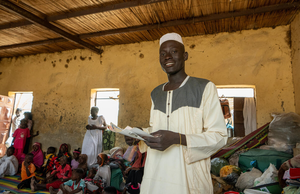



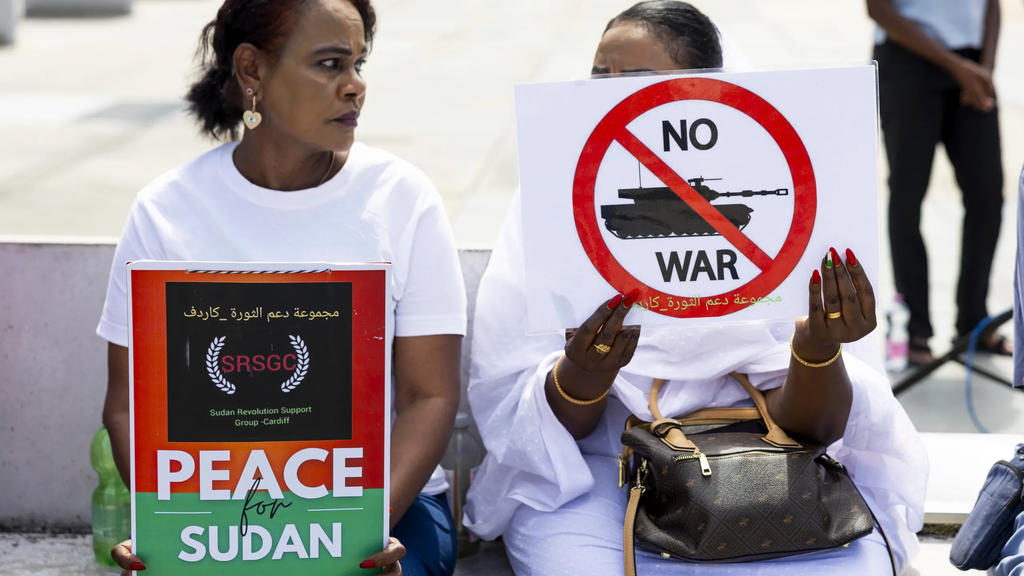
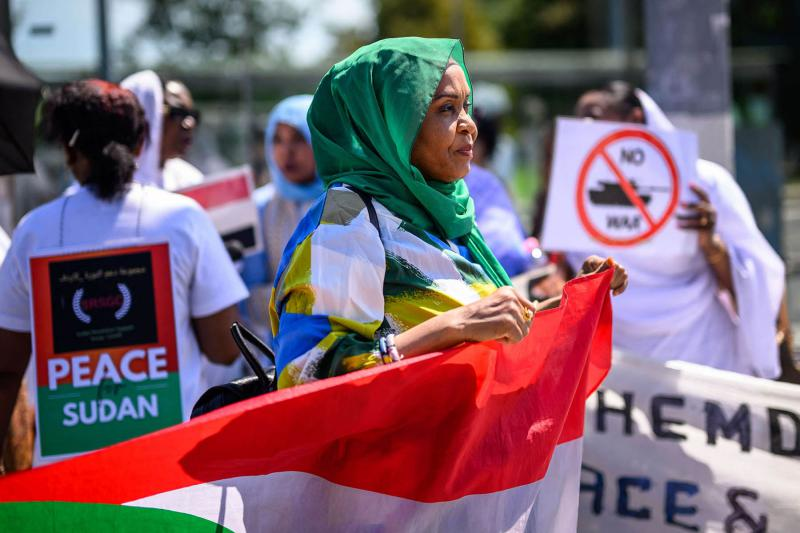
Sudan peace talks become a major topic of debate as political groups push back against a recent move by the African Union commission. The regional body welcomed a dialogue proposal put forward by army chief Abdel Fattah al Burhan to hold discussions inside the country. However multiple civilian coalitions and political parties quickly rejected this backing because it happened while the ongoing conflict still causes severe human suffering. Critics argue that holding meetings inside military controlled zones fails to address the root causes of the violence and lacks true independence. Managing future Sudan peace talks requires a strict focus on stopping the fighting before any political negotiations can take place safely.
Read Also: Somalia Sudan relations: Can Baku talks bring peace and growth?
Why civilian groups reject current Sudan peace talks
Civilian coalitions including the Somood alliance and the National Umma Party expressed deep worry about the timing and structure of the proposed meetings. Opponents state that any genuine platform for Sudan peace talks must remain completely free from military pressure and involve all major societal factions equally. Holding events under the watchful eye of one warring party turns the process into a political tool rather than a path to real safety. Leaders from the Umma Party noted that the core issue is not the idea of talking but rather how the process is designed and managed. Without proper safety guarantees and neutral oversight these meetings risk giving political cover to military actions.
The danger of using Sudan peace talks to legitimize military control
Political groups warn that rushing into formal sessions without a prior ceasefire will only reinforce the division of the country. The Sudanese Congress Party and other civic bodies pointed out that regional support for one sided initiatives ignores the dire humanitarian crisis facing everyday citizens. If international mediators back flawed frameworks they risk turning Sudan peace talks into a way of rewarding military gains over civilian welfare. True reconciliation cannot move forward while millions remain displaced and exposed to ongoing danger in cities and rural towns.
Read Also: Will Trump’s Sudan Policy Really Change the Game?
Prioritizing civilian safety before entering Sudan peace talks
Civic leaders insist that the absolute first priority must be an immediate halt to all hostilities across the nation. Organizing humanitarian corridors and protecting vulnerable families should take precedence over rushed political arrangements managed by armed factions. Without stopping the violence any attempt at staging Sudan peace talks remains premature and ineffective. Regional mediators need to listen closely to these grassroots warnings to ensure their diplomatic efforts support true democratic transition rather than factional rule.
The role of regional mediators in shaping future Sudan peace talks
The African Union now faces a difficult test regarding its neutrality and effectiveness as a mediator in the ongoing crisis. By welcoming unilateral proposals without broad national consensus the commission risks losing the trust of critical civilian stakeholders. Future progress depends entirely on whether international bodies can bridge the gap between military ambitions and civilian demands for peace. Ensuring that all voices are heard will determine if upcoming diplomatic steps can finally heal the fractured nation.
Read Also: Burhan insists on continued bloodshed, while Hemedti agrees to a truce: Who will prevail in Sudan?
Balancing military initiatives with inclusive civilian participation remains the greatest hurdle for establishing lasting stability in the region. Until fighting stops completely and humanitarian relief reaches those in need any political roadmap will struggle to gain genuine public backing. Listening to the united voice of civic groups ensures that any path forward truly serves the interests of all citizens.