
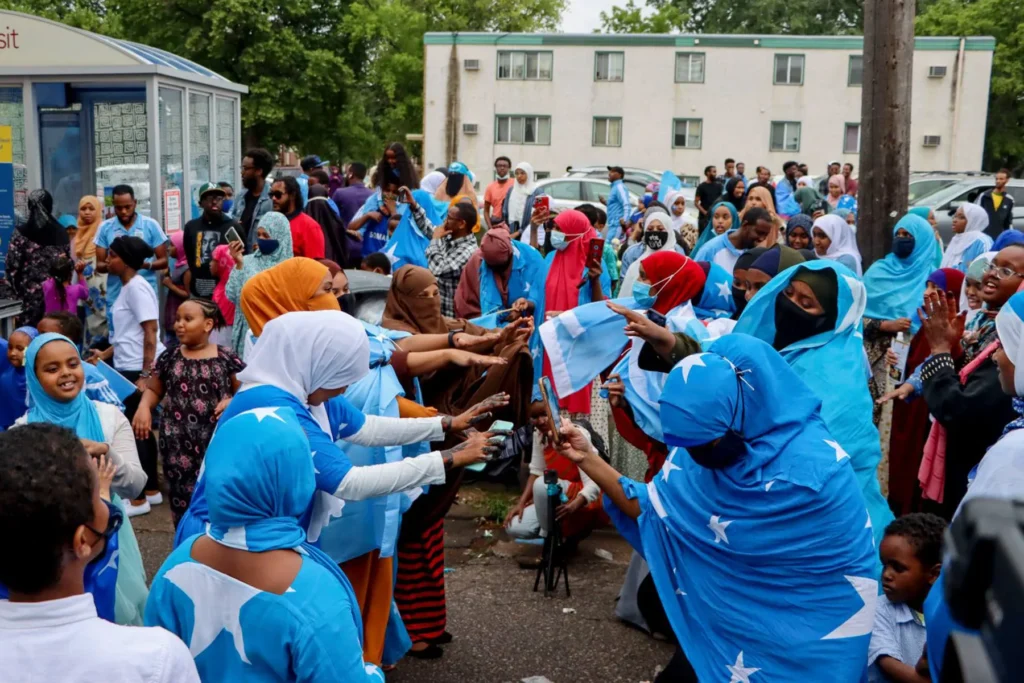
Somali festivals and events have an important role in society in terms of cultural and religious traditions. A variety of celebrations are celebrated in Somali society, including Eid al-Fitr, Eid al-Adha, and the Islamic New Year celebrations. These festivals promote social prosperity and bring people together. Through these festivals and events, people get a chance to socialize and organize feasts.
These festivals are celebrated with prayers and family gatherings. Along with the celebration of these festivals, some heritage and traditional initiatives are also carried out which also highlight the heritage of music and dance. The practice of these traditional events is still established in Somali society, which adds to the happiness and brings social solidarity to the people.
Regarding facts and figures
Somali society is dominated by people of the Islamic faith. According to research, it is known that more than 99% of the population in Somalia is Muslim. About 70% of people in Somali urban areas participate in Islamic rituals on holidays. Which includes rituals like sacrifice. They perform sacrificial rites on their holidays, socialize with each other, and organize feasts.
About 85% of both urban and rural communities also celebrate the Islamic New Year. In Somalia, Eid al-Fitr and Eid al-Adha are also an important part of the culture, which people celebrate with great enthusiasm. These festivals and events are deeply rooted in the country’s culture.
Religious Significance of Somali Festivals
Important events and festivals in Islamic history are an important part of Somali society. Among them, Eid al-Fitr and Eid al-Adha are the most important festivals that are celebrated after the end of Ramadan. Somali society is closely related to Islamic practices and festivals. And the people there celebrate these festivals with great devotion.
Apart from this, they also give importance to involvement in charity. Somalis highlight their faith through these festivals. In Somalia, these festivals provide opportunities for people to rejoice and encourage solidarity. These events help in maintaining religious rituals and traditions.
Cultural Practices and Community Engagement
The main festivals of Somali society are Eid al-Fitr and Eid al-Adha. The people there celebrate with full enthusiasm through prayers and gatherings. Cultural traditions like dance, poetry, and music are also included to celebrate these festivals. Which adds to their happiness.
These traditional ceremonies encourage people to unite. and provide an opportunity to engage in communal participation. Along with the celebration of these festivals, some other traditions are also included which highlight the social culture. These events create social harmony among families and people of different regions.
Urban vs. Rural Celebrations
Islamic celebrations in Somalia differ between rural and urban practices. In rural areas, these events are mostly traditionally and simply celebrated, mostly involving the family and regional community. In rural areas, simple festivals are emphasized and most of them involve animal sacrifices.
While festivals are celebrated in urban areas in stark contrast to rural areas. Urban communities in Somalia celebrate these events with lavish feasts and entertainment, including other traditions such as dance and music. But both communities celebrate these festivals based on the hospitality and unity that are an important part of Somali culture.
Somali festivals unite more than 99% of the people through these festivals. Which are basically Islamic traditions. Rural and urban areas in Somalia have different ways of celebrating these festivals. Rural people celebrate these festivals with ease and simplicity at the regional level and involve their small community. But at the urban level, these religious festivals are celebrated with enthusiasm. It also includes more cultural traditions.
The urban people celebrate these festivals with grand feasts and entertainment. About 70% of urban people participate in religious activities like sacrifice. Despite the different ways of celebrating these festivals in urban and rural areas, their hospitality and cultural traditions are similar. 85% of people in Somalia participate in Eid and New Year celebrations.