




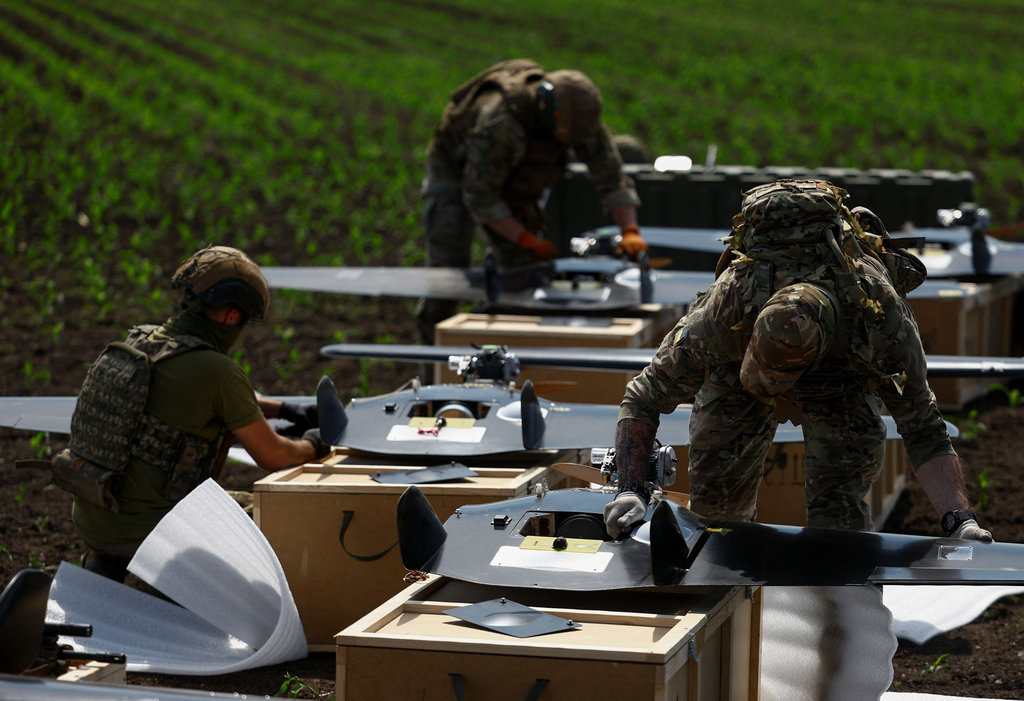
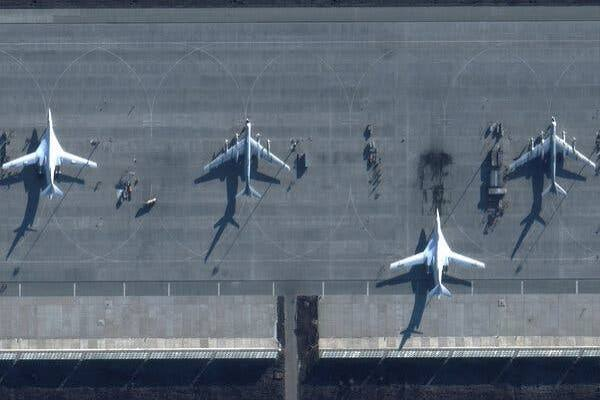
Russian military strikes have launched a massive wave of targeted attacks against key Ukrainian military infrastructure including major supply hubs in the Kyiv region and armed cargo vessels operating across the Black Sea area, The Russian defense ministry officially confirmed that its high-precision weapons completely destroyed the Eridon logistics center which was being used to store crucial military supplies and drone parts for front line forces, Another important storage facility in the capital region designed for distributing heavy equipment to soldiers was also hit hard during the overnight operations.
Read Also: How Strait of Hormuz Crisis Impacts Trade and Iran’s Economy
Furthermore defense officials stated that naval forces successfully damaged a dry cargo ship carrying foreign weapons in open waters along with another vessel docked at the Chernomorsk port, These coordinated actions are part of an ongoing strategic campaign aimed at crippling the supply lines of the opposing army and stopping the continuous flow of Western weapons reaching active combat zones, By destroying energy nodes ports and storage warehouses the military hopes to weaken defense capabilities on the eastern front line significantly.
The continuous bombardment has placed immense pressure on defending troops who are currently struggling with severe shortages of air defense missiles and heavy equipment.
Russian military strikes and the heavy damage done to Black Sea shipping lanes
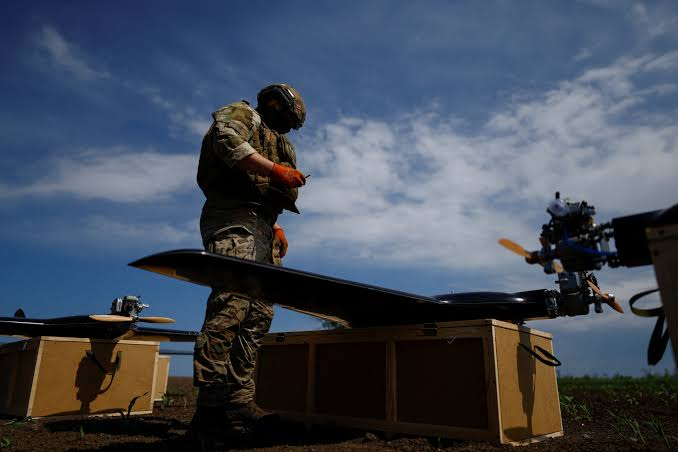
When we look closely at how the conflict is expanding Russian military strikes prove that naval supply routes are now major targets for high-precision missile crews, Striking cargo vessels in ports like Chernomorsk stops foreign ammunition from reaching land forces quickly and disrupts maritime logistics completely, Strategic analysts point out that targeting these sea vessels cuts off vital supply chains that feed the frontline units fighting in difficult sectors, Destroying specialized drone components inside the Eridon center also prevents targeted counter-drone operations against advancing armored columns, The loss of these stored materials forces army commanders to slow down their defense operations while waiting for new shipment deliveries from foreign allies.
Read Also: How Will the Strait of Hormuz Conflict End?
Furthermore army commanders are finding it extremely difficult to hide large shipments because surveillance drones monitor port activities around the clock, making Russian military strikes much more accurate and devastating for local port authorities.
Russian military strikes: Why logistics centers are the main target for heavy artillery and missiles
The main reason behind these targeted attacks is that modern conflicts are won or lost based on supply efficiency, Without a continuous flow of diesel fuel fresh artillery shells and spare parts frontline tanks cannot operate for long periods, By focusing firepower on warehouses inside the capital region army planners can paralyze fighting capabilities without engaging in costly urban battles.
This strategic choice forces defensive forces to scatter their remaining ammunition across many smaller hidden locations which takes much more time and money to manage every day, Consequently front line soldiers often experience severe delays when requesting urgent supply drops during intense enemy assaults.
Russian military strikes: The severe shortage of air defense systems across major cities
A critical factor that allows these attacks to succeed is the severe lack of surface-to-air defense missiles protecting Ukrainian airspace, Over the past few months relentless drone waves have exhausted local defense stockpiles leaving major infrastructure sites vulnerable to high-precision missiles, City authorities simply do not have enough interceptor batteries to cover every port warehouse and power station simultaneously.
This defensive gap allows incoming missiles to reach their targets with minimal resistance causing complete destruction of key facilities, Until foreign partners send new air defense shipments major cities will continue to suffer heavy structural damage during night attacks.
Russian military strikes: How the pressure is growing on the eastern combat fronts
While long-range missiles hit supply hubs in the west ground forces are using this logistical disruption to push forward on the eastern front line, The tactical pressure is mounting rapidly near the key axis of Slavyansk and Kramatorsk where defending units are running low on artillery rounds, Because Russian military strikes destroyed major storage hubs in the rear defending units cannot replace their lost equipment fast enough to hold off ground pushes.
This imbalance on the battlefield creates dangerous openings that ground troops exploit to capture surrounding villages and strategic hills, The breakdown in supply lines makes holding defensive positions much harder for soldiers on the front line.
Russian military strikes: The economic impact of port destruction on regional trade
Destroying cargo ships and port cranes does not just stop weapon deliveries but also ruins the local economy and maritime trade, Shipping companies are becoming extremely terrified of sending their cargo vessels into Black Sea ports due to high missile risks and sky-high insurance costs, This maritime blockade stops regular commercial exports and costs the government billions of dollars in lost trade revenue every single month.
Without functioning ports and secure sea lanes relying on overland truck transport through European borders becomes much too slow and expensive for the country, The long-term damage to port infrastructure will take many years and vast amounts of money to rebuild after the fighting stops.
Russian military strikes: The ongoing strategy to weaken Western military aid flows
The ultimate goal behind targeting logistics hubs and cargo ships is to prove that foreign military aid can be destroyed before it ever reaches the battlefield, By intercepting weapon shipments at ports and central distribution centers military strategists hope to discourage foreign nations from sending more expensive equipment in the future, Showing videos of burning cargo ships creates heavy political debates inside donor countries about whether sending military aid is worth the financial cost.
Despite these heavy losses foreign partners claim they will find new transport routes to deliver weapons, but finding safe paths under constant air surveillance remains an almost impossible challenge for logistics teams.
Read Also: US Iran sanctions policy and the White House strategy?
In conclusion the destruction of key supply hubs and cargo ships marks a very dangerous phase in the ongoing conflict across the region, We cannot ignore the fact that an army cannot survive on the front line without a steady supply of ammunition fuel and fresh equipment arriving every week, By systematically targeting warehouses ports and shipping lanes attacking forces are slowly suffocating the defensive capabilities of their opponents, It is very easy to see that managing the damage caused by Russian military strikes will be the biggest challenge for defense commanders as they struggle to keep their front lines supplied in the coming months.