

Education crisis impact is a term that every family in the Horn of Africa understands too well because of the constant struggle to keep children in classrooms. When you have a situation where the rains do not come and the fighting does not stop the schools are usually the first things to suffer. Most people do not realize how hard it is for a child to focus on a math lesson when they haven’t eaten a real meal in two days. This education crisis impact is felt deepest in the rural areas where the drought has killed all the livestock and forced families to move into camps for safety. In these places the priority is staying alive and finding water which means the books are left behind in the sand. Without a stable place to live or a full stomach the dream of finishing school becomes a luxury that many simply cannot afford right now in 2026.
Read Also: Future of learning: building better schools in Somalia
The Harsh Reality of Schools in Conflict Zones
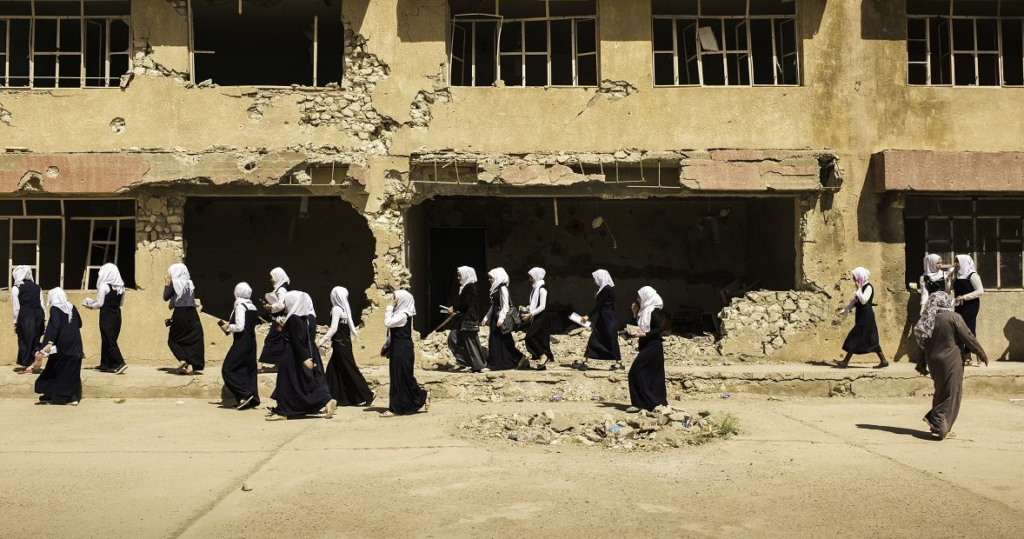
When war breaks out near a village the local school often becomes a target or a place for soldiers to hide which is a tragedy for the kids. This education crisis impact means that even if a school is still standing the teachers are too afraid to go to work and the parents are too scared to send their daughters and sons. We see many cases where children are forced to grow up way too fast because they have to help their parents survive instead of learning how to read and write. If a school is closed for just one year it takes a very long time to get those kids back to the level where they should be. It creates a “lost generation” of people who have the talent to succeed but do not have the basic tools because their education was stolen by violence.
Read Also: Somali college hurdles solutions for students and teachers
How the Long Droughts Force Kids Out of Class
Climate change is not just about the weather it is a major part of the education crisis impact because it destroys the economy of the family. In Somalia most people depend on their animals to pay for school fees and uniforms. When the cows and goats die because there is no water the money for the teacher disappears too. Families often have to migrate hundreds of miles to find a place with food and during this journey the children are not in school. This education crisis impact is making the gap between the rich and the poor even wider because only the people in the big cities can keep their kids in private schools. For the nomad the lack of rain is a direct attack on the future of their children’s minds.
The Problem of Teachers Fleeing the Crisis
It is not just the students who are leaving because the teachers are also suffering from the same problems. A teacher who has not been paid for six months because of the education crisis impact cannot be expected to stay and teach for free forever. Many of the most educated people are moving to other countries or looking for different jobs just to feed their own families. This leaves the schools with no one to lead the lessons and the quality of learning drops very fast. We need to find a way to support these educators because without them the buildings are just empty shells with no purpose. Protecting the people who teach is just as important as protecting the kids themselves.
Why Girls Suffer the Most During These Times
In many traditional communities when the education crisis impact hits the girls are the first ones to be pulled out of the classroom. They are often kept at home to help with the chores or to look after the younger siblings while the parents look for work. In some sad cases they are even married off early because the family can no European pay for them anymore. This part of the education crisis impact is a huge step backward for the rights of women and the development of the whole country. When you educate a girl you change a whole village but when the school doors close on her the whole community loses a bright future.
The Struggle of Informal Schools in the Camps
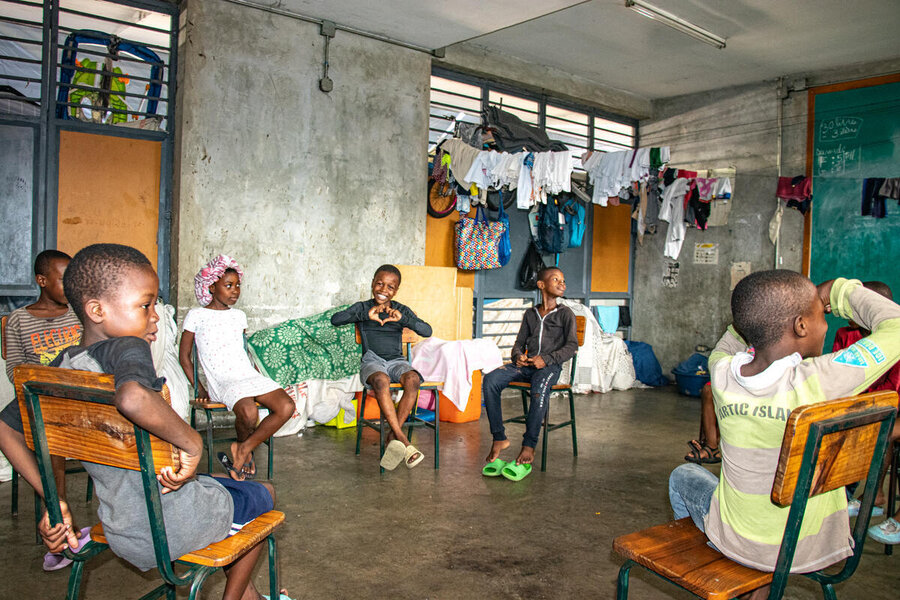
Even in the middle of the displaced person camps you see some amazing people trying to start small schools under trees or in tents. This is a brave way to fight the education crisis impact but these schools lack everything from paper to pens. The children sit on the ground and try their best to learn but the environment is very difficult. These informal classrooms show that the hunger for knowledge is still there even when the belly is empty. If the international community could give more support to these tent schools it would go a long way in reducing the long-term education crisis impact on the nation.
The Long Term Cost of a Broken School System
If we do not fix this problem now the country will pay for it for the next fifty years. The education crisis impact leads to higher rates of unemployment and more people being recruited by extremist groups because they have no other options. Knowledge is the only weapon that can truly defeat poverty and war but right now that weapon is being broken by the weather and the guns. We need to see education as a part of the emergency response just like food and medicine. A child might need a biscuit today to survive but they need an education to thrive tomorrow.
Hope for the Future Through Better Planning
Despite all the bad news there are some new programs trying to use technology to beat the education crisis impact through radio and mobile phone lessons. This allows kids to keep learning even if they are moving with their animals. It is a slow start but it shows that there are always new ways to solve old problems. If we can combine these new ideas with a real effort to bring peace then the children of the coast and the interior will finally have the chance they deserve. The education crisis impact is a big mountain to climb but it is not impossible if we work together.
Read Also: Future of learning: building better schools in Somalia
Conclusion and Final Thoughts
We must remember that every day a child is out of school is a day of lost potential for the whole world. The education crisis impact is a global problem that needs a global solution. We cannot just watch as millions of bright minds are wasted because of things they cannot control. Let’s make sure that the schools are protected and that the teachers are paid and that every child has a seat in a classroom regardless of the weather or the politics. That is the only way to build a real and lasting peace for everyone.