

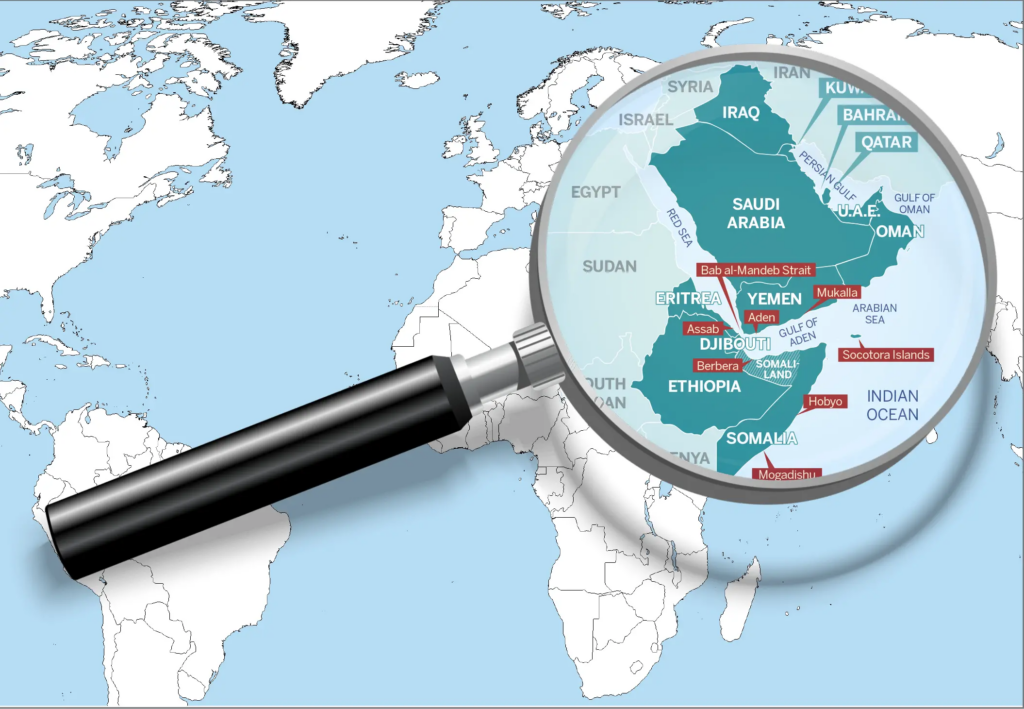
The landscape of East African politics is changing very fast right now and many people who watch the region are pointing to a specific reason for the new security and economic problems. How Saudi policy shifts impacted regional stability in Africa has become a major question for anyone tracking the Horn of Africa and Somalia. For a long time the United Arab Emirates had a big presence in these places because they funded ports and trained local soldiers.
But lately a big push by Riyadh to counter and reduce this Emirati influence has left a huge empty space. Instead of things getting better this sudden disruption of old programs has left local governments struggling to keep order and it shows exactly how Saudi policy shifts impacted regional stability in Africa in ways people did not expect.
Read Also: Baidoa military clashes: Will unrest spread across region?
How Saudi Policy Shifts Impacted Regional Stability in Africa and Hurt Somalia
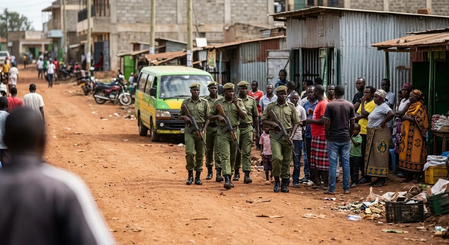
When you look at Somalia, you can see the direct results of this political fight on the ground. The UAE spent years building up the power of local security forces by paying regular salaries, giving out equipment, and running specialized training to fight terrorists. When these programs got weak or stopped because of Gulf rivalries, the local forces suddenly found themselves without enough money or preparation.

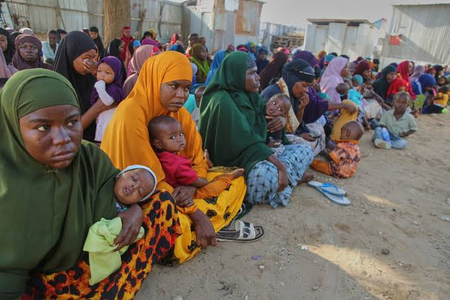
Many experts say that how Saudi policy shifts impacted regional stability in Africa is easiest to see in the quick comeback of extremist groups. Groups like Al Shabaab moved fast to take advantage of the security gaps left behind when Emirati support went away. Without steady training and strategic backing local troops are facing too much pressure and this makes the whole security situation very weak in big Somali regions. Also important projects like building hospitals and schools have slowed down a lot so regular people are left without basic services when they need them most.
Read Also: Somalia Political Tension: Will Leaders Hear the Streets?
Changing Situations Across the Horn of Africa
The wider Horn of Africa is also dealing with the bad results of these changing relationships. The UAE had promised billions of dollars to build important ports and roads which were supposed to help landlocked countries connect to world trade. But as these plans hit walls because of competing interests from other countries economic growth just stopped.
- Port Deals: Big harbor projects are facing long delays which stops job opportunities for local people.
- Sea Security: Joint navy coordination has dropped down so busy shipping lanes are now open to more piracy and smuggling.
- Local Rivalries: Instead of bringing countries together the push to cut out Emirati influence has started new fights between African leaders who side with different Gulf countries.
This friction shows clearly how Saudi policy shifts impacted regional stability in Africa since old arguments between neighbor countries are now getting worse because of outside political pressure.
Looking at a Fragile Future for the Region
The next few weeks will be very important to see if East African nations can survive these sudden changes in foreign money and support. It is easy to see that cutting out one country role without putting a new plan in place right away creates dangerous risks. Many diplomatic papers like the final reports being prepared for deadlines on June 2 show that regional cooperation is lower than it has been in years.
Read Also: Why UN political talks Failed to Bring Peace in Somalia
To truly see how Saudi policy shifts impacted regional stability in Africa you have to look past political wins and see the long term cost for regular people. When soldier training stops and money for roads dries up the result is not a balance of power but just more chaos.
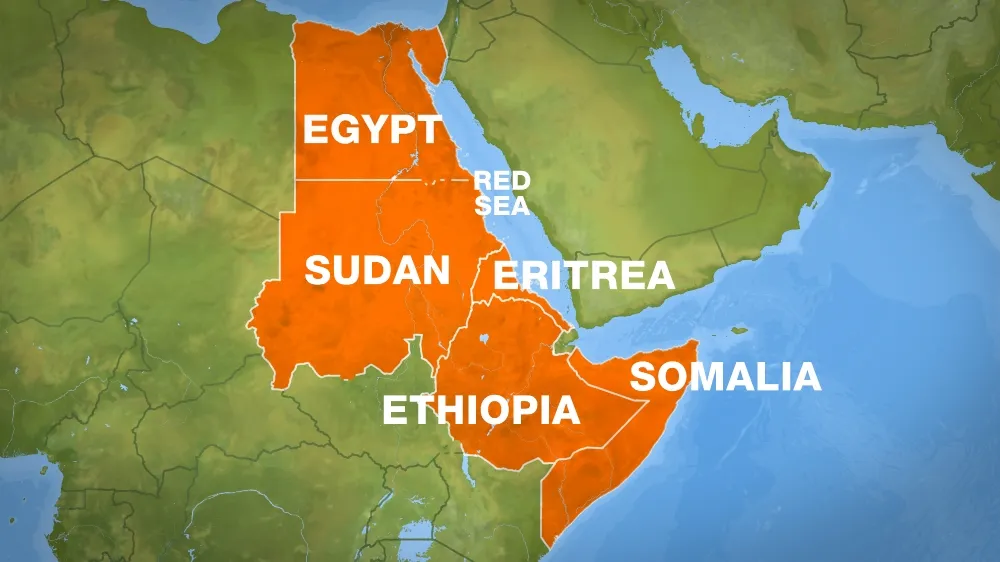
For the Horn of Africa to get strong again future partnerships must focus on helping local people instead of making the area a playground for foreign fights. If things keep going this way the progress made over the last ten years against terrorism and building trade could be totally lost and that will leave the Red Sea coast very dangerous for everyone.