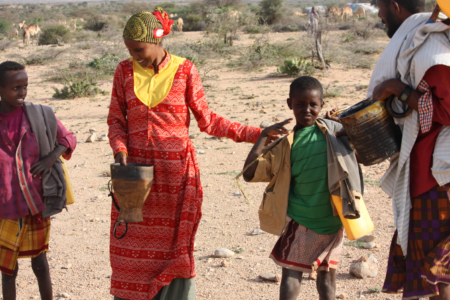



Traditional Somali markets are the heartbeat of daily life and they show so much about how people live and talk to each other every day in Africa. When you walk into one of these places you are not just going to buy food or clothes you are entering a space where history and modern life meet in a very loud and colorful way.
Traditional Somali markets provide a look into the soul of the nation because they have stayed the same for hundreds of years even as the world around them changes fast. You can smell the incense and the fresh meat from a long distance and it makes you feel like you are part of something much bigger than just a simple shopping trip or a quick errand at a shop.
Read Also: How do Somali women save their culture and traditions?
Why are Traditional Somali markets so important for the local economy?
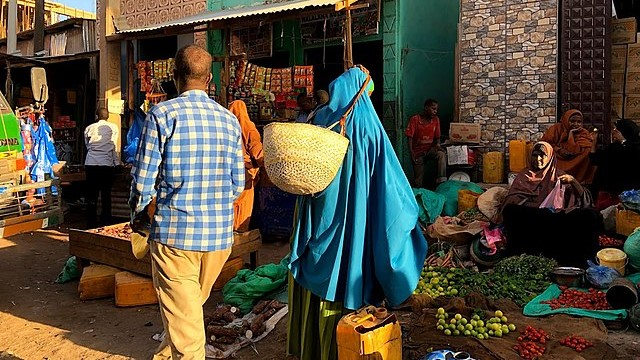
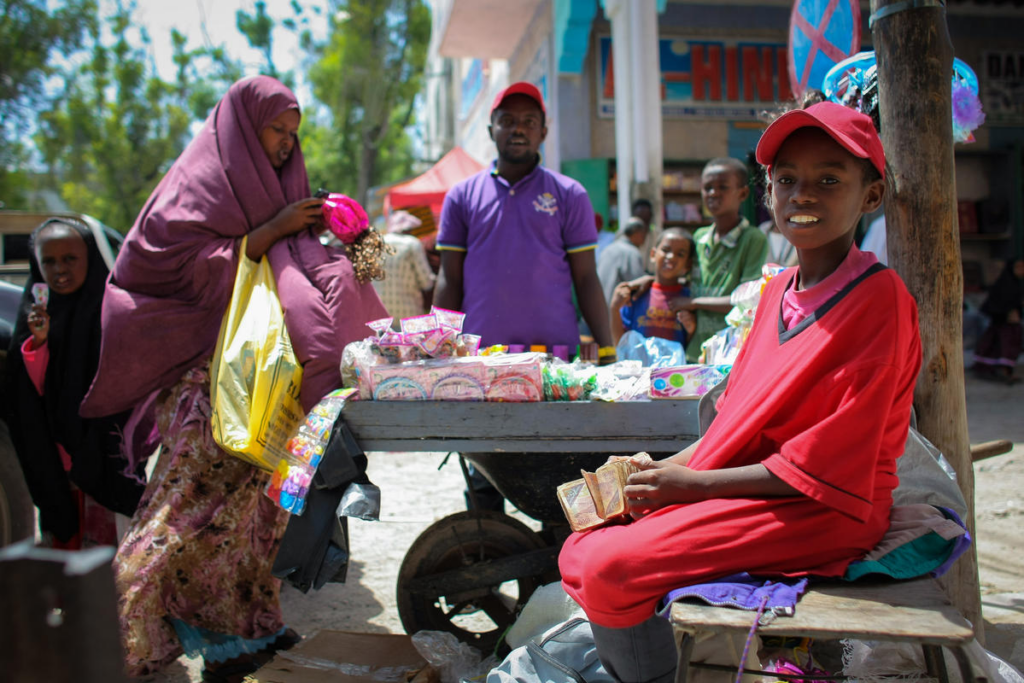
In every city like Mogadishu or Hargeisa these hubs are where the money moves from hand to hand and people make their living. Traditional Somali markets are usually run by very hardworking women who sit behind piles of bright fabrics or mountains of fresh vegetables and fruits. These women are the backbone of the community and they know everyone’s name and their family history which makes the business very personal.
People don’t just pay a fixed price here because everything is about the art of bargaining and talking for a long time. If you do not negotiate you are missing out on the whole experience of the culture. Traditional Somali markets teach you how to be patient and how to talk to people with respect while also trying to get the best deal for your pocket and your family.
To understand the deeper layers of this culture here are five specific points that define these spaces:
- The Power of Women Traders: Most of the daily commerce in Traditional Somali markets is driven by women who manage everything from spices to high-end gold jewelry showing their huge role in the national economy.
- The Livestock Trade: You can find dedicated sections for camels and goats where men negotiate prices using traditional hand signals under a cloth which is a secret way of bargaining that has existed for centuries.
- Aromatic Experience: The air is always thick with the smell of frankincense and myrrh which are harvested in the Somali highlands and sold in large quantities to be used in every home for spiritual and fresh reasons.
- Clothing and Identity: These hubs are the best place to find the “Dirac” for women and the “Macawis” for men which are traditional garments that represent Somali identity and are worn with great pride during holidays.
- The Hub of Oral News: Because Somali culture is very oral people go to the market not just for food but to hear the latest poetry or news from distant regions making Traditional Somali markets a living newspaper for the public.
Read Also: Somali Art Traditions: How Does Somali Art Keep Culture Alive?
Another thing you will notice is the huge variety of goods that come from the countryside every single morning. You will see camels being traded in open areas which is a huge part of the nomadic heritage that Somali people are very proud of. The livestock trade is what keeps the country going and Traditional Somali markets are the primary spots where these big deals happen between traders.
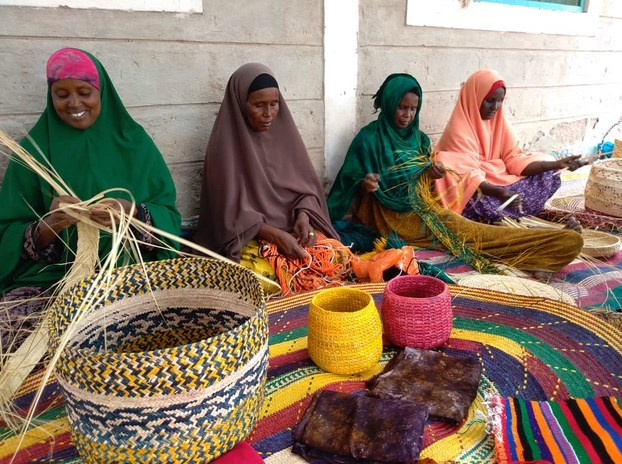
It is not just about the animals though because you can find hand-woven baskets and beautiful jewelry made of silver and gold by local workers. The craftsmanship shows that Somali people have always been very artistic and practical at the same time and they use what they find in nature. Traditional Somali markets act like a gallery for local talent that you will never find in a modern mall or a fancy store.
The social side of these places is just as important as the buying and selling part of the day. Men often gather at small cafes near the edges of Traditional Somali markets to drink tea with camel milk and talk about politics or the weather or life. It is a place for news to travel fast from one person to another without any phones.
If something happens in the village everyone in the city will know about it by noon because information flows through Traditional Somali markets faster than the internet or the radio. It creates a sense of belonging for people who might feel lost in a big city environment. You always find a friend or a relative walking through the narrow paths between the stalls and the colorful umbrellas.
The Heartbeat of Community and Connection
Even though supermarkets are starting to pop up in some areas they can never replace the feeling of the old ways of doing things. Traditional Somali markets have a specific energy that feels alive and moving and very real for the common person. The ground might be dusty and the sun might be hot but the smiles of the traders and the noise of the crowd make it worth the visit. When you visit Traditional Somali markets you are supporting small families directly rather than big corporations that don’t know your name. This direct connection between the buyer and the seller is what makes the culture so strong and resilient against the changes of the modern world.
Finally it is the smells and sounds that stick in your memory the most after you leave the place. The sound of calls to prayer mixing with the shouting of prices creates a unique atmosphere that you can’t find anywhere else. Traditional Somali markets are filled with the scent of uunsi which is a special incense that Somali women use to make their homes smell amazing and welcoming.
Read Also: The somali social customs and their deep meaning
Buying this incense is a ritual in itself that involves smelling many different types before choosing the best one. As long as people value their roots and their history these places will continue to be the center of the Somali universe and the best place to understand what it truly means to be from this part of the world.