



Medical AI systems are becoming a normal part of everyday hospital work because technology is growing super fast now. Doctors and nurses are starting to use these smart computer programs to help them take care of sick people much better than before. Instead of just looking at paperwork for hours a computer can look at thousands of patient records in just one second. This new way of working saves a lot of time and lets human doctors focus on talking to their patients directly. Many regular clinics are buying these tools because they want to make sure they do not make simple mistakes when people come in feeling bad.
Read Also: Future AI jobs: How is smart tech creating new careers?
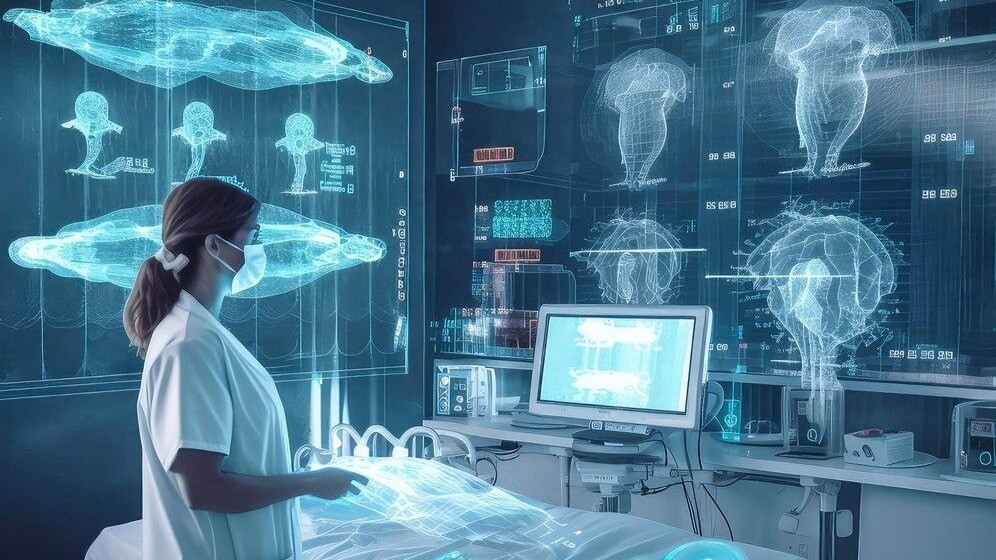
Step One Finding Sickness Quickly Using Medical AI Systems
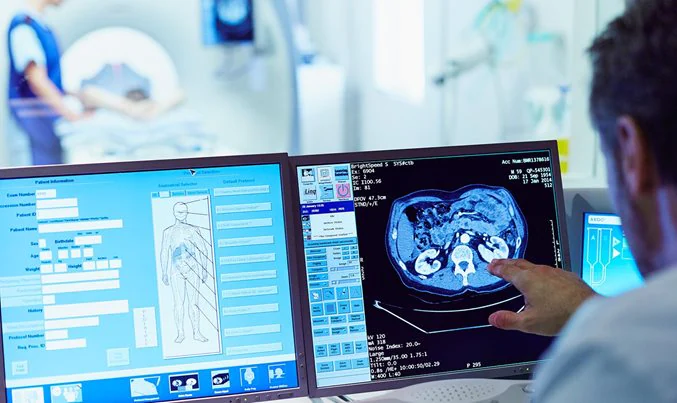
The first big step is finding dangerous diseases like cancer way before they get too bad to treat. Medical AI systems can scan through thousands of X-ray pictures or skin photos to look for tiny spots that a human eye might miss during a busy day. When a computer finds these small clues early it gives the patient a much better chance to get well quickly. Also these systems help local doctors in small villages who might not have a big specialist nearby to ask for advice.
Read Also: How Modern Student AI Is Changing Young Learning
By using a simple smartphone app connected to the main network a rural nurse can get an expert opinion on a rare sickness within minutes.
Step Two Making New Medicines Faster and Saving Lives
The second step involves creating new pills or vaccines which usually takes more than ten years and costs a crazy amount of money for drug companies. Now Medical AI systems are changing this whole process by testing millions of chemical combinations on a computer screen instead of in a real lab. This smart method allows scientists to see which ingredients will actually work to stop a virus without causing bad side effects.
- Faster Research: Computer programs can predict how a new drug will behave in the human body within just a few days of testing.
- Lower Costs: Spending less money on failed lab experiments means the final medicine can be sold much cheaper to regular people.
- Rare Diseases: Scientists can finally look for cures for uncommon sicknesses that big companies usually ignore because they are too expensive to study.
Step Three Super Smart Surgical Robots in the Operating Room
Surgeons are also using Medical AI systems to control robotic arms when they have to do very delicate operations inside a person body. A human doctor still guides the machine but the smart computer makes sure the robotic hands do not shake even one millimeter. This high precision means the cuts made in the skin are very small which helps the patient heal with less pain and leave the hospital much faster. These robotic tools are transforming operating rooms into high tech spaces where complicated heart or brain surgeries are much safer than they used to be years ago.

Using these advanced machines means that a famous surgeon living in a big city can actually perform a difficult operation on a patient who is staying in a completely different town. The Medical AI systems send the hand movements through the internet instantly so geography is no longer a big problem for saving lives. This type of high level connectivity is a dream come true for poor communities that do not have their own expert surgeons.
Step Four Organizing Hospital Schedules and Reducing Wait Times
The fourth step changes how hospitals manage their daily chaos and crowded waiting rooms. Medical AI systems can predict exactly how many patients will come to the emergency room on a specific day based on past weather and local events. This clever planning helps managers schedule enough nurses and doctors so people do not have to wait for hours just to see a professional.
Step Five Monitoring Patients Constantly Without Needing Extra Staff
For the fifth step smart wearable devices use Medical AI systems to check patient heartbeats and breathing levels while they rest in bed. If something goes slightly wrong the computer alerts the nursing station immediately before a real emergency happens. This constant watching keeps patients safe and allows the medical staff to breathe a little easier during long night shifts.
Step Six Creating Personalized Treatment Plans for Unique Conditions
The sixth step focuses on the fact that every single human body is slightly different from another. Medical AI systems look at a person specific DNA and history to design a unique treatment plan that works perfectly for them. This means patients receive the exact dose of medicine they need without wasting time on treatments that might not work for their specific body type.
Step Seven Sharing Global Medical Knowledge Instantly with Every Local Clinic
The final step is connecting all the small clinics in the world together so they can share data instantly. When a doctor discovers a new virus pattern somewhere on earth Medical AI systems update the entire global network within seconds. This rapid sharing ensures that a doctor in a small town has the exact same knowledge as a top researcher in a famous university hospital.
In conclusion the steady rise of Medical AI systems is a beautiful thing that will make healthcare fairer and more reliable for everyone on earth.
Read Also: Will Modern ai diagnosis Change How Doctors Detect Disease?
As these systems get smarter they will continue to discover better medicines find illnesses early and assist in complex surgeries without any trouble. Medical fields are moving into a totally new era where technology serves as the ultimate helper for doctors worldwide. We should expect to see these Medical AI systems in every single neighborhood clinic very soon because protecting human health is the most important job in the world.