

Rural education in Somalia faces huge challenges that keep thousands of children away from school every single day. While things are not perfect in the big cities, the contrast between the countryside and urban centers is very clear. If you visit a village in Somalia, you will quickly notice how hard it is for a child to get a basic education compared to someone living in Mogadishu or Hargeisa.
Read Also: Which Somali Education Options Are Best for Families Today
Understanding the Rural Education in Somalia Gap
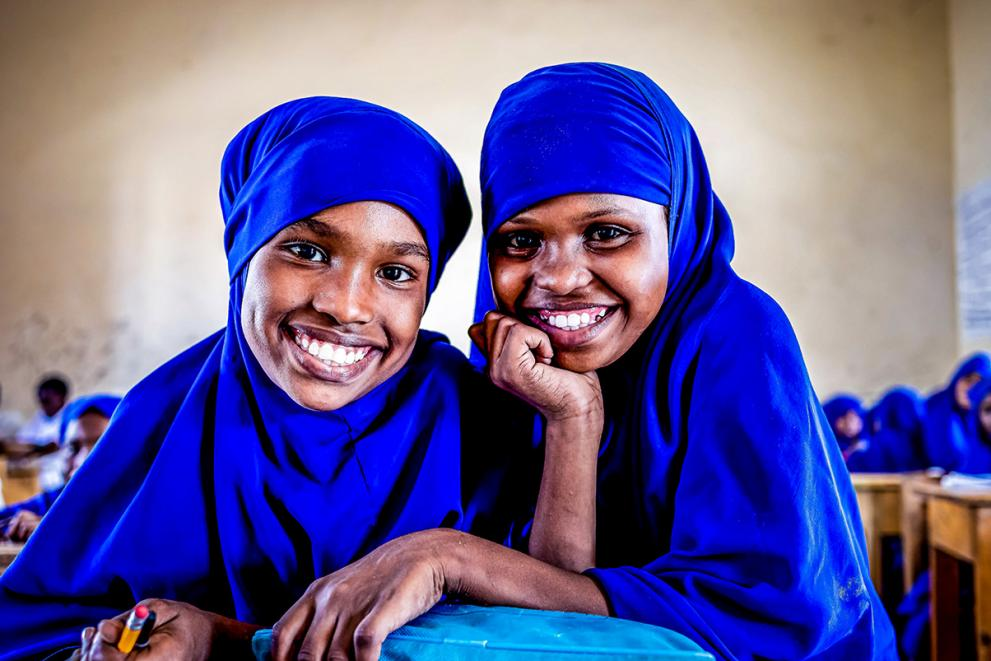
When we look closely at rural education in Somalia, the first big issue is the complete lack of school buildings. In many villages, schools do not even exist, or they are just small huts with no desks or books. Children often have to sit under trees to learn, which becomes impossible when it rains or when it gets too hot.
In contrast, urban areas have regular private and public schools. City schools have proper classrooms, textbooks, and sometimes even computers. This makes a massive difference in how children learn and how long they stay in school.
Another major problem is finding qualified teachers. Most trained teachers prefer to live and work in the cities because they can get better salaries and live a more comfortable life. This leaves countryside schools with untrained volunteers who try their best but do not know how to manage a classroom. Because of this, the quality of rural education in Somalia stays very low, and many parents feel that sending their kids to school is a waste of time.
- Lack of Infrastructure: No proper buildings, electricity, or clean water in village schools.
- Teacher Shortage: Qualified teachers stay in cities, leaving rural kids with untrained staff.
- Economic Pressure: Families need their children to herd animals instead of going to classes.
The Role of Poverty and Lifestyle
The way people live in the countryside also affects rural education in Somalia in a big way. A huge part of the rural population consists of pastoralists who move from one place to another looking for water and grass for their animals. A traditional school system does not work for nomadic children because they cannot stay in one village for more than a few months.
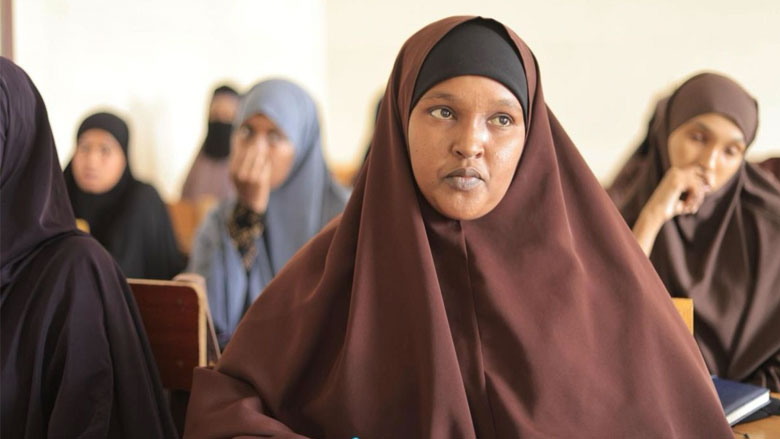
Furthermore, poverty hits the countryside much harder. In cities, parents might struggle with fees, but they usually have some income. In rural areas, survival comes first. Parents need their children to help with herding goats or fetching water from miles away. For these families, spending money on notebooks or uniform is a luxury they cannot afford. Therefore, rural education in Somalia becomes a secondary priority behind daily survival.
Read Also: Early childhood education: Why it matters for young kids
How Government and Aid Groups Can Help
To fix the issues facing rural education in Somalia, there needs to be a big shift in how money and resources are shared. Right now, most international aid and government funding stay in urban centers because it is easier to build and monitor schools there. The countryside is often forgotten because of bad roads and security issues.
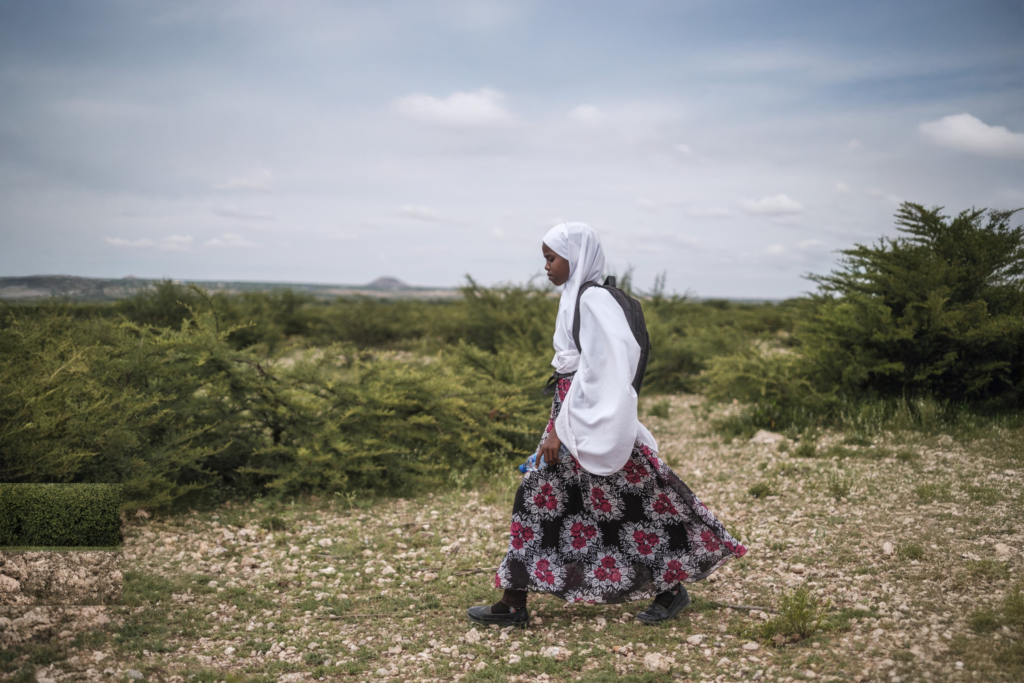
To change this, mobile schools could be a great solution for nomadic communities. These are schools that move along with the families, using tents and portable materials so children can learn anywhere. Also, giving extra money or housing to teachers who agree to work in distant villages could help solve the teacher shortage.
The future of the country depends on fixing rural education in Somalia. If the government continues to ignore the villages, the gap between the rich and the poor will only grow wider. Every Somali child deserves a chance to read and write, no matter where they are born.
Read Also: Why Old Somali School Methods Changed for Young Kids
Without balancing rural education in Somalia with urban systems, the nation cannot fully recover from its long history of conflict. True progress will only happen when a child in a remote village has the same opportunity to learn as a child in the capital city.