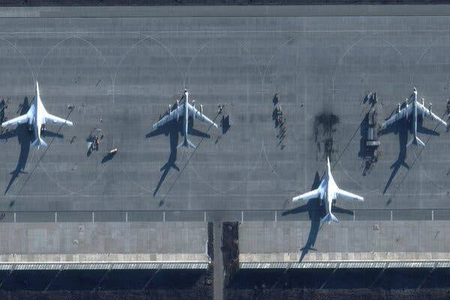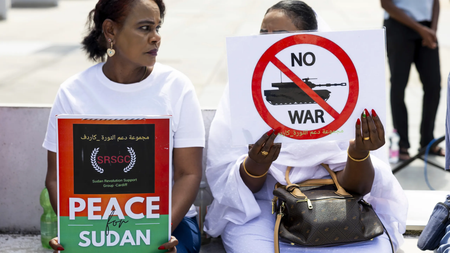



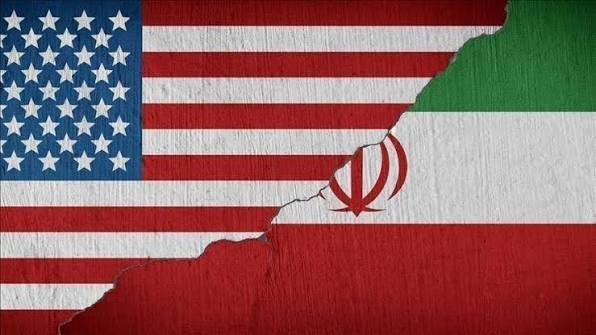
US Iran conflict is growing rapidly every single day as military strikes expand and political tension reaches dangerous new levels across the Middle East. People around the world are watching closely to see if this situation will become an all-out regional war or if diplomats can find a way to stop the violence. The American government has widened its military targets inside Iranian territory while leaders in Tehran accuse Washington and its allies of launching an illegal attack.
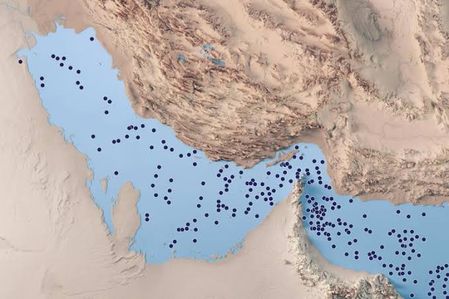
At the same time attacks near the Gulf have hit key facilities and shipping lanes creating panic about energy supplies and economic stability. Many political experts believe both sides are negotiating under fire while others think this is just the beginning of a much larger war.
Read Also: Russian Drone Defense: Can It Fully Protect Western Borders?
Different analysts have very different ideas about where this crisis is heading in the coming months. Some argue that US Iran conflict is built on a strategy where Washington uses maximum military and economic pressure to force political concessions. They point out that Donald Trump has always favored bargaining from a position of power to break Tehran’s regional influence.
How US Iran conflict impacts political stability and international law
The reality of US Iran conflict shows that Washington wants to destroy Tehran’s ability to control major regional issues especially regarding the Strait of Hormuz and nuclear capabilities. However internal political pressure inside Iran makes it very hard for their leaders to accept these harsh demands without looking weak. Experts warn that a complete economic blockade combined with continuous airstrikes could push things past the point of no return. If Israel decides to join the fighting directly any small mistake could ignite a massive confrontation that nobody can stop.
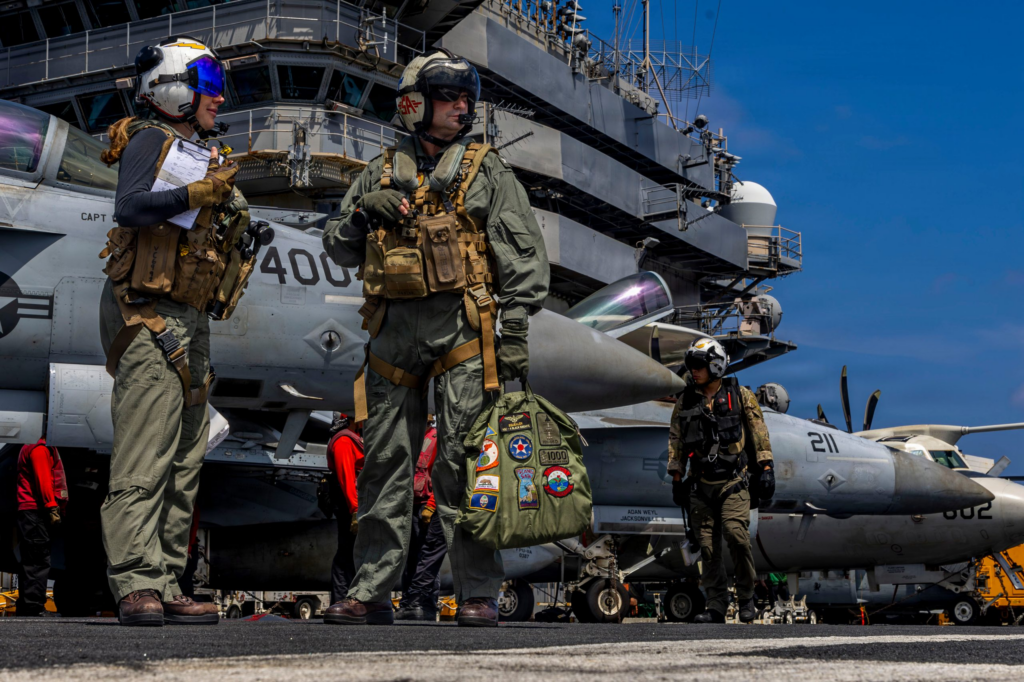
From a legal perspective international law experts argue that targeting civilian infrastructure or safe zones during US Iran conflict constitutes a severe war crime. They emphasize that international rules only work when powerful nations choose to respect sovereign borders and freedom of navigation.
Read Also: Gaza war reality is still going on today
The dangerous future of US Iran conflict and regional security
On the other side Iranian commentators defend their actions by claiming that US Iran conflict is a direct response to foreign aggression against their country. They argue that international law allows a targeted nation to strike back against military logistics and bases supporting hostile missiles and warplanes. Iranian representatives insist they are not trying to attack neighboring countries but are merely targeting American military assets present in the area. This back and forth shows how deep the distrust has become between all parties involved.
As military strikes continue to hit strategic sites US Iran conflict forces ordinary citizens to worry about their safety and financial future. Washington believes that heavy military pressure will force a change in behavior while Tehran maintains that its actions are strictly for self-defense and deterrence.
Read Also: US Military Strikes Against Iran Explained
In conclusion US Iran conflict presents a massive test for global diplomacy and regional peace. If formal diplomatic channels fail to open soon the continuous exchange of fire will push the Middle East into a devastating war with no clear winners. Every day that passes without a real ceasefire makes it harder to rebuild trust and protect innocent lives across the region.