


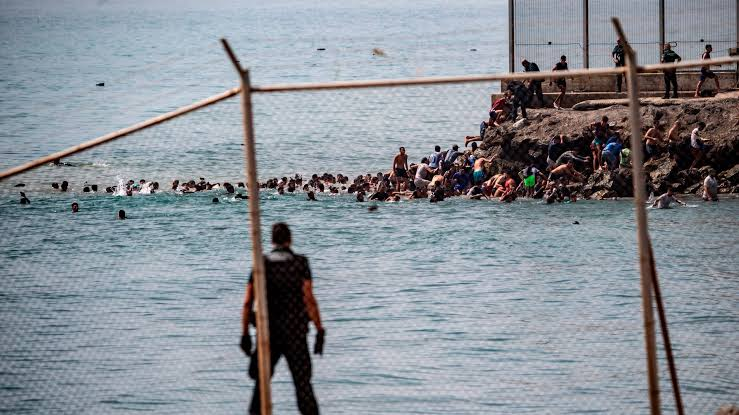
Ceuta border crisis became a major online talking point this week after thousands of migrants crossed from Morocco into the Spanish territory. Right wing accounts on social media quickly used the Ceuta border crisis to fuel hate speech against Muslims and immigrants in Europe and America. Many commentators called the event an invasion instead of a humanitarian situation. The Ceuta border crisis forced Spanish authorities to step up border security and work closely with Moroccan officials to regain control over the crossing points. Extreme political groups used videos of the crossing to post harmful comments blaming immigrants for ruining European culture and safety.
Read Also: Financial inclusion UAE drives economic growth
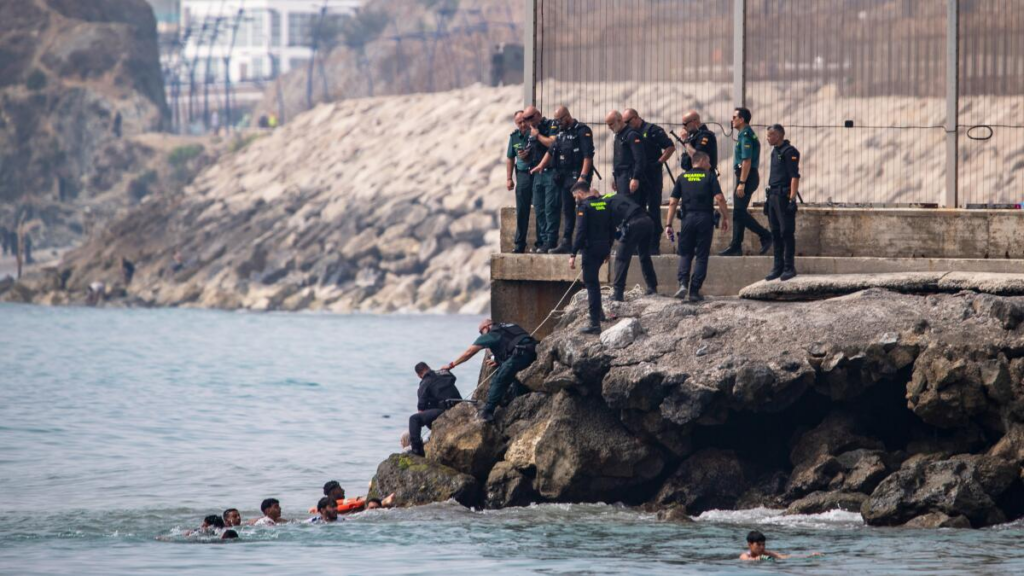
Far right figures in Europe immediately used the Ceuta border crisis to attack current political leaders and demand strict immigration laws. In Spain Santiago Abascal who leads the Vox party launched a fierce verbal attack against Prime Minister Pedro Sanchez. Abascal accused the government of betraying the country by keeping loose refugee policies. Far right politicians in France also jumped on the Ceuta border crisis momentum to demand tight controls on the French Spanish border. Jordan Bardella from National Rally claimed that Spain is allowing dangerous risks into the entire European continent by not holding a firm line.
Political backlash following the Ceuta border crisis
How American accounts amplified the online hate campaign
The news about the crossing quickly crossed the Atlantic Ocean and made rounds in American political discussions. Popular conservative accounts shared video clips of people crossing the water to warn voters about border security back home. They claimed that the United States would face the exact same problems if democratic policies were allowed to continue. By turning the crossing into a political weapon commentators spread fear among their followers while ignoring the real human stories of people seeking a better life.
Read Also: Red Sea escalation threat to global shipping?
The dangerous reality facing migrants and local communities
Behind all the angry online commentary are real human beings facing extreme hardship and danger. Thousands of young people and families risk their lives every single day trying to reach European soil for basic safety and economic opportunities. When political groups label these desperate people as invaders or criminals it creates real physical danger for immigrant communities living in Western cities. Local police forces and aid organizations are left struggling to handle both the physical border situation and the rising tide of hatred targeting minority groups.
Media manipulation and the spread of fake news
Far right accounts frequently use edited video clips and dramatic headlines to manipulate public perception of migration events. Accounts like Radio Genoa posted clips with extreme captions claiming that Europe is under a massive religious attack. These inflammatory posts receive millions of views before fact checkers can add proper context. By stirring up public panic these social media accounts make peaceful dialogue about immigration policy nearly impossible for regular citizens and lawmakers alike.
Governments balance security and human rights obligations
European governments now face severe pressure to secure national borders while upholding international human rights laws. Spanish officials are trying to coordinate better security measures with Moroccan border guards to prevent chaotic crossings. However human rights groups warn that rushing to push people back without proper asylum checks violates international agreements. Finding a fair balance between border security and humane treatment remains a massive challenge as political tensions continue to rise across the continent.
Read Also: Will Oman Maintain Neutral Mediation for Gulf Shipping?
Looking ahead at the future of European migration debates
The intense reaction to this latest crossing shows how sensitive the issue of migration remains in Western politics. Far right parties will likely continue using these events to gain votes in upcoming local and national elections. Without constructive dialogue and realistic policy solutions both host nations and vulnerable migrants will remain trapped in an endless cycle of political hostility and social division.