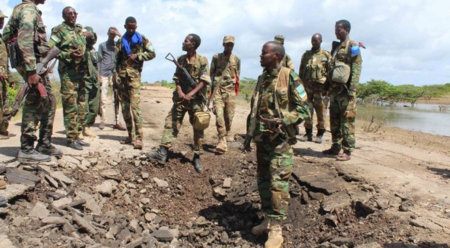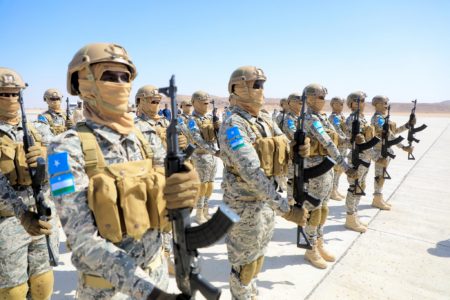



Ethiopian troops withdrawal is making big headlines right now after African Union forces decided to leave their military base in Burhakaba. Local military officials confirmed that soldiers from the Ethiopian contingent handed over control directly to the Somali National Army. This move is part of a larger plan to let local security forces manage their own country step by step. The African Union transition mission supported by the United Nations helped transfer technical responsibilities to the Somali 60th Division. Many people wonder if local troops are fully prepared to secure critical roads without outside help. Burhakaba sits at a crucial junction between Baidoa and the capital city Mogadishu making Ethiopian troops withdrawal a sensitive topic for regional safety.
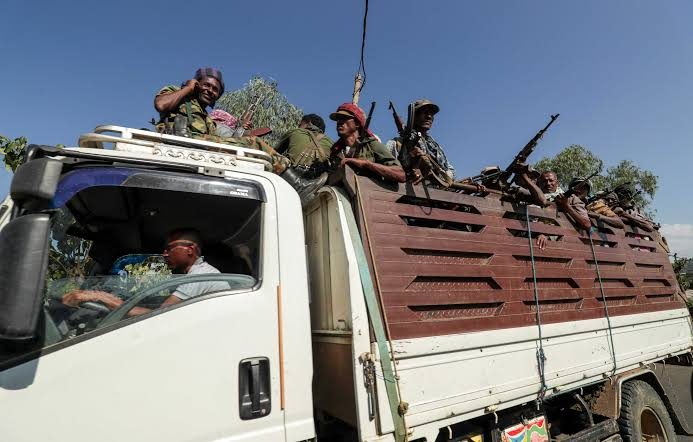
Read Also: Why Did Puntland Military Forces Take Over a Third Base?
How Ethiopian troops withdrawal impacts local stability and military plans
The location of Burhakaba in the Bay region gives it huge military importance for moving goods and soldiers across the southwest. For many years foreign armies kept the main roads open and protected towns from insurgent groups. Ethiopian troop withdrawal means that local units must now handle all patrol duties and defend strategic positions on their own. The transition is supposed to show that the national government is growing stronger and taking charge. However many experts worry about potential security gaps because insurgent forces always look for opportunities when foreign troops leave a area.
Challenges facing local forces and funding issues
African Union representatives described the handover as an important milestone for national sovereignty and self reliance. They want local commanders to take full ownership of defense decisions in every sector. But Ethiopian troops withdrawal comes at a time when the peacekeeping mission faces serious budget problems and operational limits. Funding shortages make it harder to provide continuous air support or heavy equipment to every outpost. Without enough financial backing these handovers can create extra stress for newly assigned commanders on the ground.
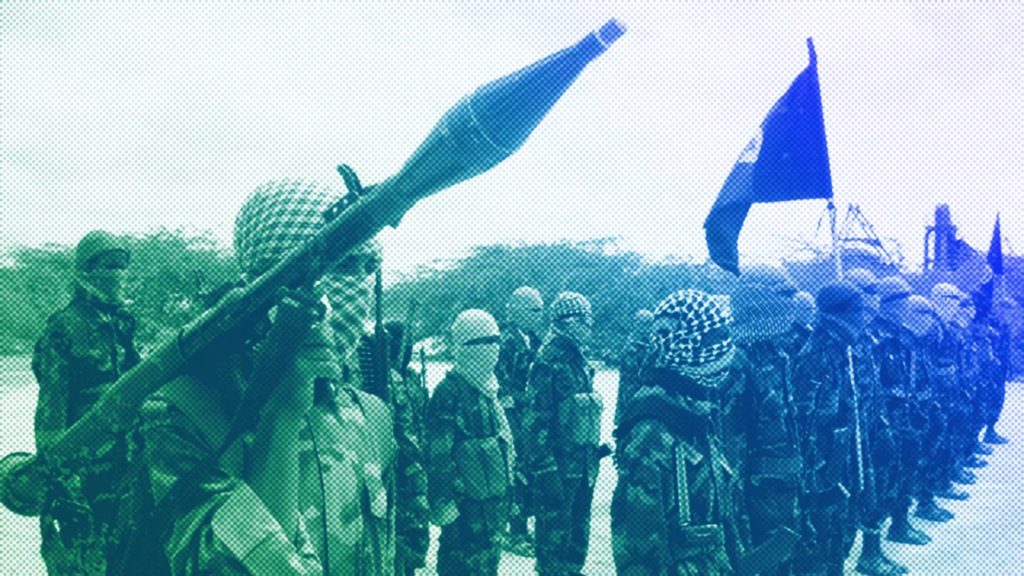
Securing strategic supply routes and trade corridors
Supplying bases and maintaining long supply lines requires significant organization and resources. When foreign units packed up their equipment during Ethiopian troops withdrawal they left behind facilities that require constant maintenance and vigilance. Somali officers must now convince local populations that they can maintain order and prevent extremist groups from retaking control of important highways.
Read Also: Why Did Puntland Security Forces Seize Bosaso Base?
Community reactions and regional political dynamics
The political situation around Ethiopian troops withdrawal also involves complex relationships between neighboring countries. Foreign military presence has always been a subject of intense debate among local leaders and regional powers. Some community members welcome the exit of foreign troops because they want full national independence. Others worry that Ethiopian troops withdrawal is happening too quickly before local forces receive all necessary training and heavy weapons.
In addition to physical security the economic activity along the Baidoa Mogadishu corridor depends heavily on stable roads. Farmers and traders need safe passage to transport goods to big city markets without paying illegal taxes to armed groups. Ethiopian troops withdrawal will test whether the national army can protect commercial trucks and keep vital supply routes open every day.
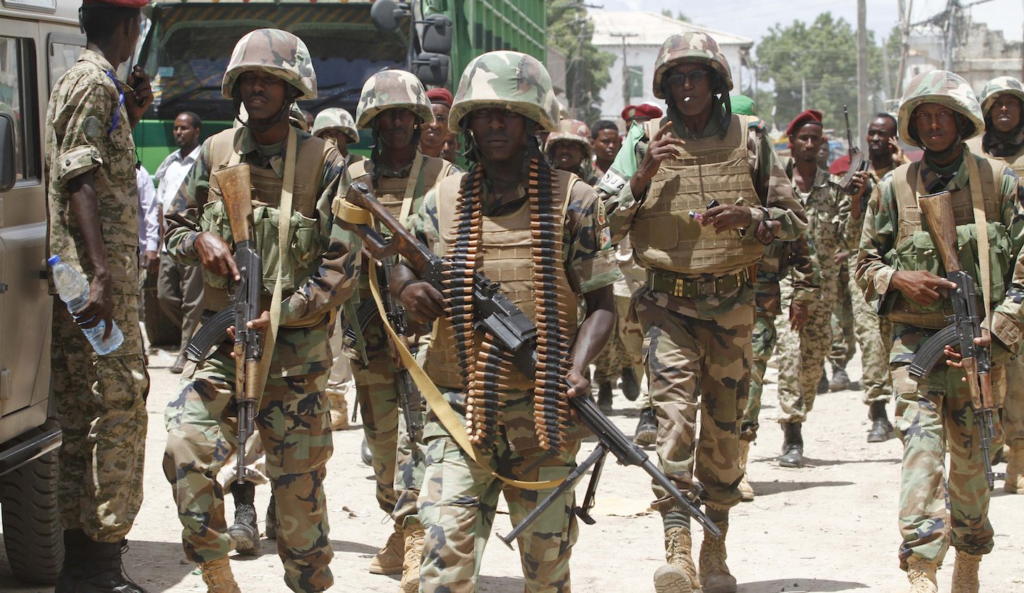
Read Also: Somalia daily life what surprises people the most about it
Looking ahead the success of this transition depends on strong coordination between different military branches and international partners. The African Union plans to continue shifting responsibilities until local forces manage all security operations across the entire nation. Ethiopian troops withdrawal in Burhakaba serves as a real test case for whether this long term plan will bring lasting peace or create new security challenges for the region.