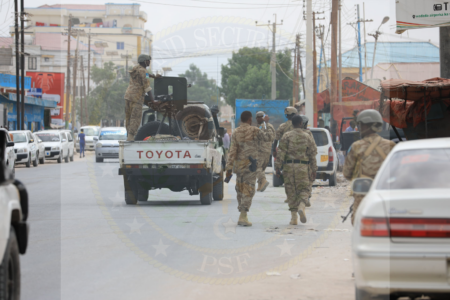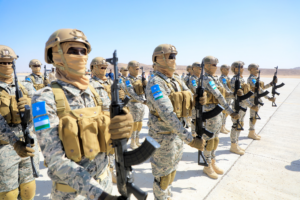



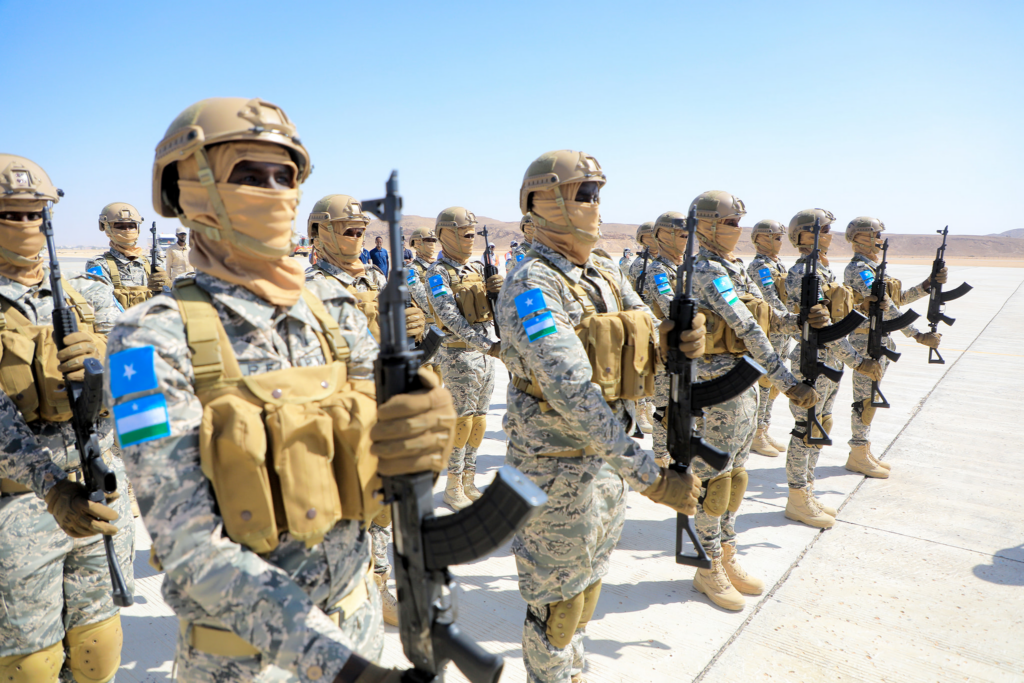
Puntland military forces took control of a strategic military base located in armo district inside bari region after troops aligned with the federal government left the area around midnight. A military officer speaking for the departing unit told journalists that his soldiers relocated to the hambis area inside karkar region while continuing to take direct orders from the federal government in mogadishu. Shortly after the troops departed local authorities announced that their security personnel moved in to secure the former military compound.
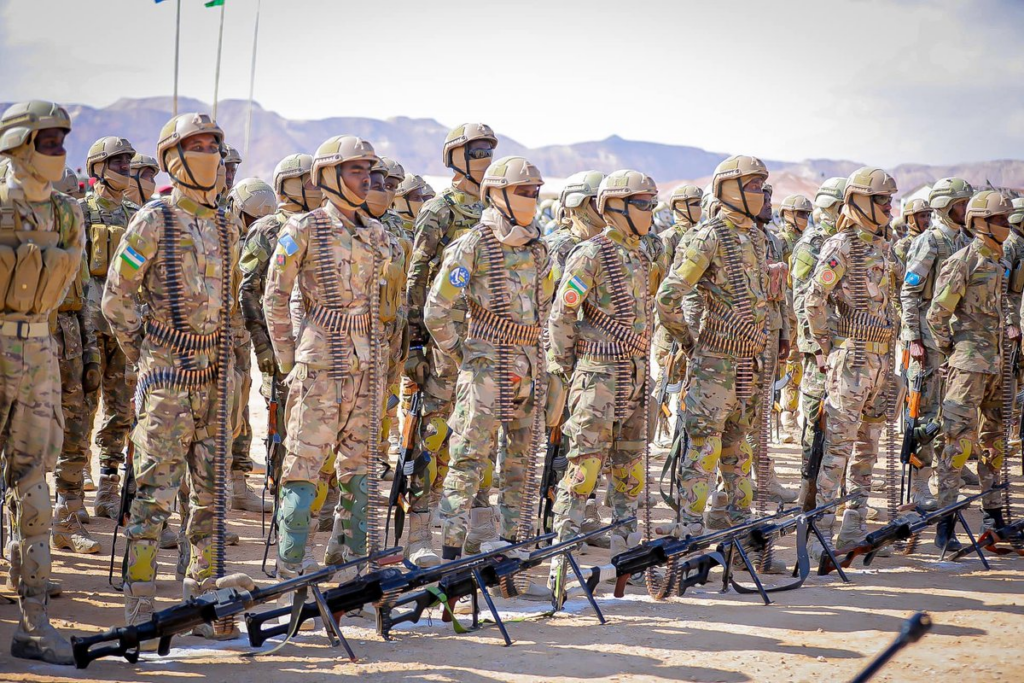
Read Also: Why Did Puntland Security Forces Seize Bosaso Base?
This development came right after regional officials issued a strict forty eight hour deadline ordering all federal troops located in local zones to surrender immediately. While some units chose to move out or step down other federal troops remain stationed across karkar nugal and mudug regions which keeps tensions extremely high across the region today.
Tensions rise as puntland military forces enforce new security directives
The recent movement of military units in armo district highlights a growing political rift between regional leaders and the central government. Local authorities have made it clear that they will not tolerate unauthorized armed groups operating inside their territory without local approval. When regional officers gave the initial warning many observers worried that direct clashes might break out in populated civilian areas. Fortunately the federal unit chose to retreat during the night rather than engage in a direct battle with puntland military forces inside the town. The decision to move toward hambis temporarily prevented immediate violence but the political problems behind the dispute remain completely unresolved.
Security dynamics across regional territories after federal troops retreat
Moving troops from armo to hambis simply shifts the military presence into a different district rather than solving the underlying territorial disagreement. Local communities in karkar region are now watching the situation very closely because they fear that armed confrontations could easily follow the relocating units. The federal government insists that its national forces have a legal right to operate anywhere within national borders to maintain security and stability. However local leaders view these military deployments as an illegal attempt to bypass regional authority and influence local governance. Because puntland military forces are actively patrolling key roads and towns federal units find it increasingly difficult to maneuver safely.
Read Also: Puntland Security Surrender: How Will It Shift Somalia’s Power?
How regional deadlines impact federal military operations in northern zones
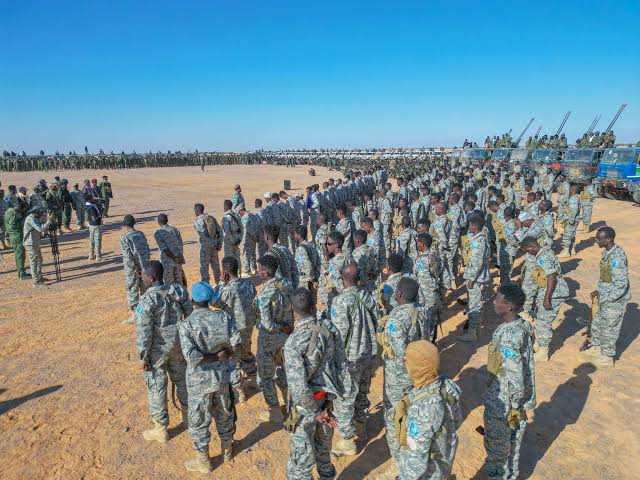
The forty eight hour surrender order issued by regional leaders sent a clear message that local authorities are ready to use force if necessary. Many soldiers in federal units face a tough choice between obeying command structures in mogadishu or respecting local regional demands. Some smaller groups of soldiers have quietly abandoned their posts or merged with local security organs to avoid open conflict. Meanwhile puntland military forces continue to monitor the movements of remaining federal bases situated across nugal and mudug. The presence of rival armed groups in close proximity increases the risk of accidental skirmishes that could quickly escalate into wider regional conflict.
Puntland military forces expand territorial control over strategic rural outposts
Securing the third military base in armo represents a major tactical win for regional security planners who want full control over key transit routes. Control over these bases allows local troops to monitor traffic moving between major coastal ports and inland trading hubs. By taking over these positions puntland military forces can prevent federal forces from establishing permanent checkpoints along essential commercial corridors. Local business owners and transportation operators have expressed relief that the takeover happened peacefully without destroying civilian infrastructure or disrupting trade. However everyone remains cautious because troops are still heavily deployed along major borders and regional boundaries.
Why peaceful troop retreats prevent immediate civilian displacement
When armed groups choose to withdraw peacefully instead of fighting in urban areas civilian populations avoid the horrors of displacement and property destruction. Families living in armo district were able to wake up and continue their normal daily routines without facing active gunfire or street blockades. Local elders played a big role in negotiating behind the scenes to ensure that departing soldiers could leave without being attacked by puntland military forces during their retreat. This community level diplomacy proved vital in preventing a routine military movement from turning into a humanitarian disaster for thousands of local residents.
What the future holds for military stability across northern regions
As federal troops remain positioned in areas like mudug and nugal the overall security environment stays extremely fragile and unpredictable. International partners and national political figures are urging both sides to sit down for peaceful negotiations rather than relying on military ultimatums. Without a clear political agreement regarding how national and regional forces should share security duties similar standoffs will keep happening in other districts. For now puntland military forces remain on high alert while maintaining control over the newly acquired base in armo district. Stopping further military escalations requires honest political dialogue before another crisis unfolds in remaining contested regions.
Read Also: Galkayo clash incidents: What Caused the Fighting?
The takeover of the armo base demonstrates how fast regional power dynamics can shift when political trust breaks down between central and local authorities. While puntland military forces currently control the location the broader challenge of integrating national defense structures without triggering regional resistance remains a massive obstacle for peace. Citizens across the country hope that leaders on both sides prioritize civilian safety and choose peaceful dialogue over continued military confrontation in the days ahead.