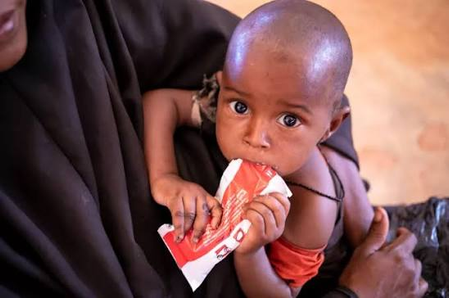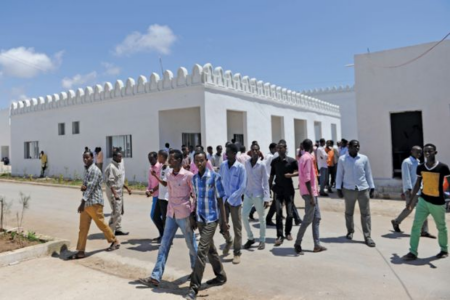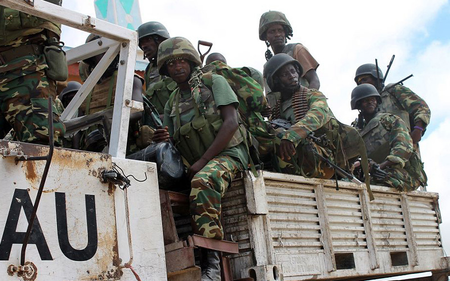
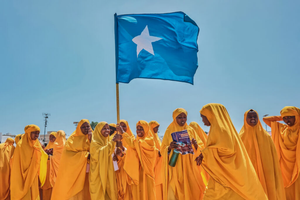


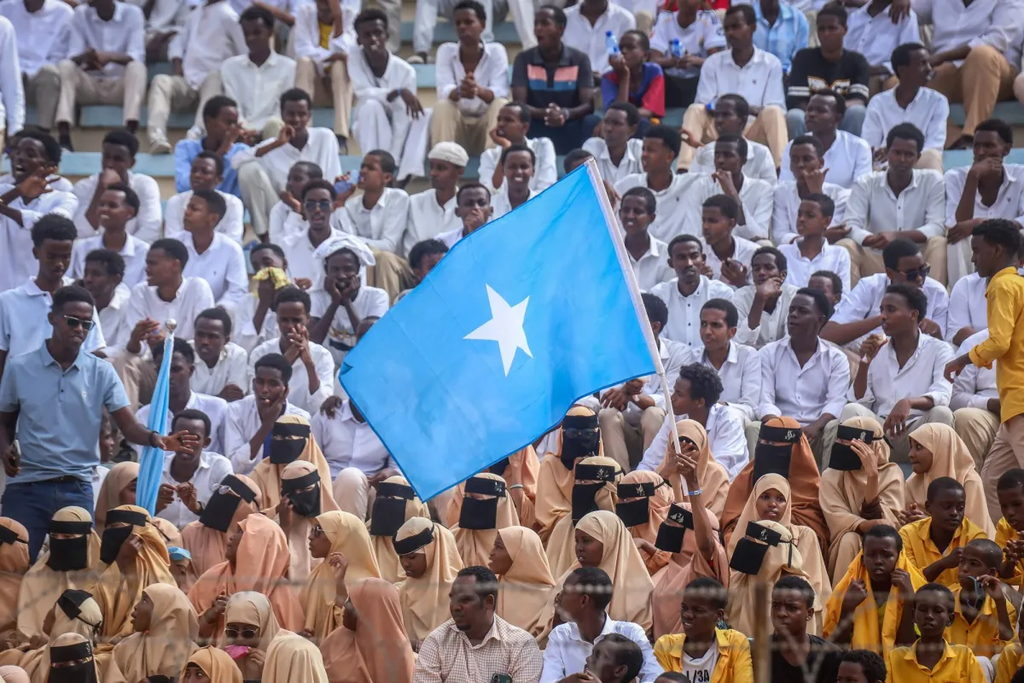
Somalia political crisis dominates national discussions as the country marks 66 years of independence and unity on June 30 2026. Somalia political crisis deepens while Mogadishu emphasizes its strong refusal to compromise on national unity amidst heavy pressure. Northern regions gained independence on June 26 1960 and united four days later on July 1 with southern regions forming the First Somali Republic. Today the federal government faces severe challenges and core disagreements with Puntland and Jubaland over elections and regional authority. At the same time Somaliland continues its breakaway path following recognition by Israel creating complex foreign policy issues across the Horn of Africa.
Read Also: How Mogadishu Abusivo Land Shapes Ownership and Urban Growth
+-----------------------------------------------------------------------+
|                       Key Timeline & Facts                            |
+--------------------------+--------------------------------------------+
| Historic Event           | Independence and unification in 1960       |
+--------------------------+--------------------------------------------+
| Current Milestone        | 66th Independence Anniversary (June 2026)  |
+--------------------------+--------------------------------------------+
| Key Conflict Zones       | Tensions with Puntland and Jubaland states |
+--------------------------+--------------------------------------------+
| Major Breakaway Issue    | Israel recognition of Somaliland in 2025   |
+--------------------------+--------------------------------------------+
Escalating tensions within the Somalia political crisis
Political friction continues to grow between Mogadishu and member states causing serious concern for local stability. The ongoing Somalia political crisis reached new heights when Puntland leader Said Abdullahi Deni joined opposition groups in rejecting President Hassan Sheikh Mohamud authority after parliament extended his term to May 2027. Puntland authorities went further by announcing they no longer consider their forces part of the national army until all disputes get resolved.
Read Also: Nugal Coast Airstrike: What It Reveals About Maritime Security
In the south Jubaland suspended relations with Mogadishu after disputes over local elections where President Ahmed Madobe won a third term that federal officials refused to recognize.
Path toward reconciliation and national stability
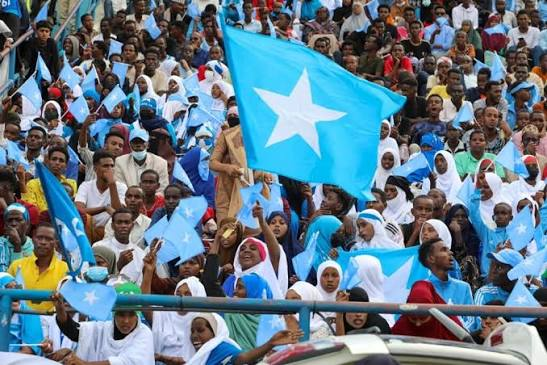
Addressing the expanding Somalia political crisis requires fast national dialogue that puts public interest above individual political ambitions. Political experts point out that risks of division remain high unless top leaders resume direct talks. Without functional compromise federal institutions struggle to maintain unity while security threats from extremist groups continue to place heavy pressure on local communities.
- Launch inclusive national talks between federal officials and all regional leaders
- Complete the permanent constitution to clarify power distribution between governance levels
- Rebuild trust between central institutions and regional member state administrations
- Prioritize joint security operations over political disagreements to protect citizens
While the Somalia political crisis presents severe hurdles for federalism stability remains possible if political will exists. Foreign interventions and external recognitions add extra layers of difficulty but internal agreement remains the core solution. If leaders work together through institutional channels federalism can transform into a foundation for peace rather than a source of division.
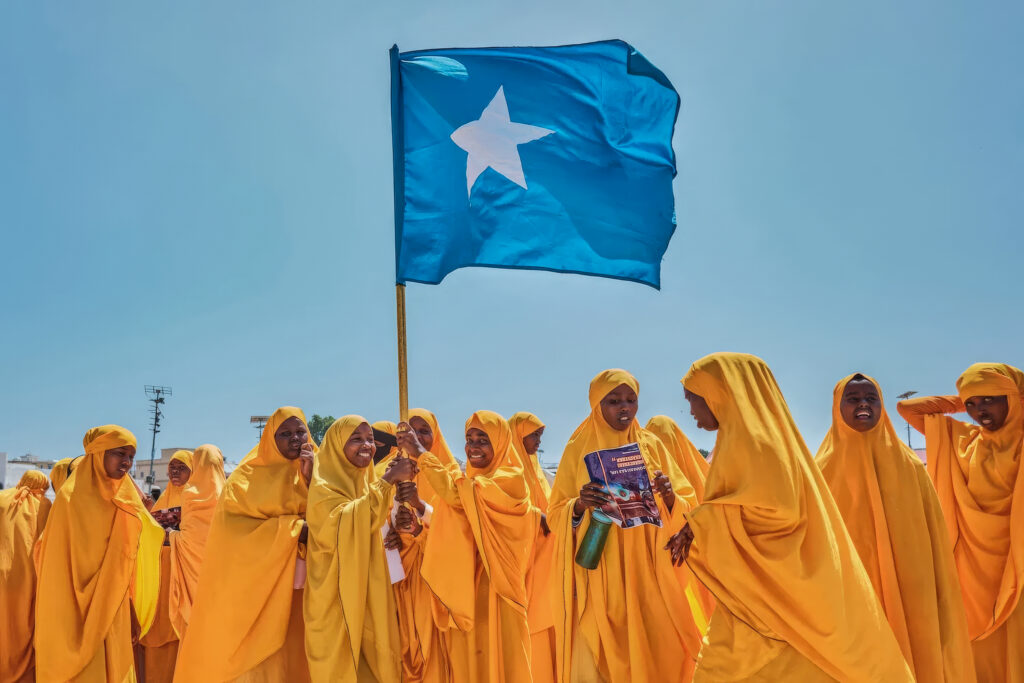
The coming months will show whether Mogadishu and regional state leaders can settle their differences peacefully.
Read Also: Tanker Hijackings Happen Near Yemen Amid Regional Tensions
Resolving the Somalia political Tensions is essential for safeguarding national sovereignty protecting democratic progress and ensuring a peaceful future for all Somali citizens.