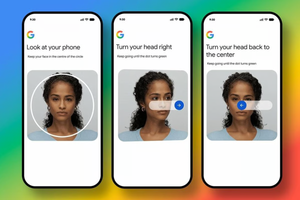



Google account security is shifting toward biometric verification tools like selfie videos to help users recover locked profiles when regular devices are lost. While traditional passwords remain common the tech giant now offers facial scans as an extra backup option during account recovery. This change in Google account security brings new convenience for everyday web users who forget their login details. However relying on biometric features raises important questions about privacy settings and how tech platforms store personal data. Understanding these updates helps you navigate the evolving landscape of Google account security without risking your private information.
Read Also: Private AI safety tips: 7 Things You Should Never Share
How facial recognition impacts modern Google account security
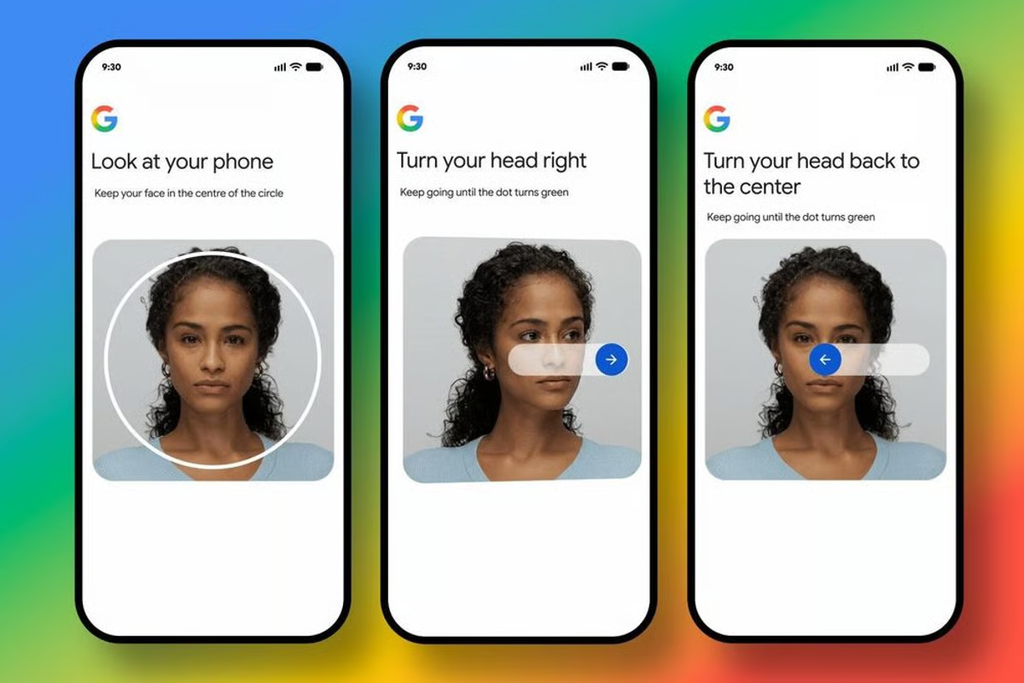
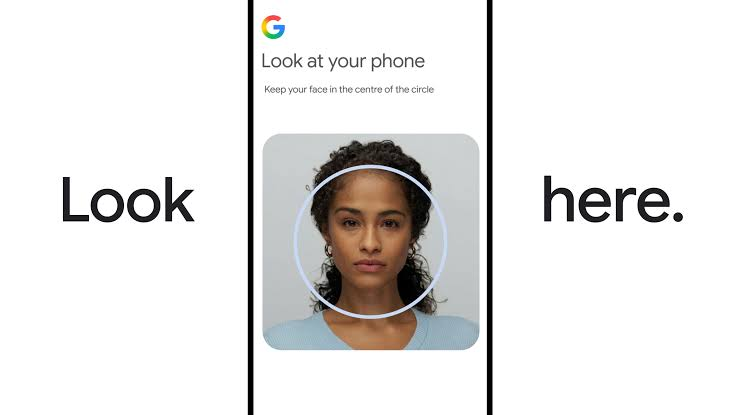
Setting up the new selfie verification feature requires looking at your device camera and moving your head in specific directions to capture multiple angles. When you lose access to your profile later the system compares a fresh video recording against your original setup scan. This dynamic movement check makes it much harder for bad actors to trick the system using a static photograph. Proponents of Google account security argue that face scans offer a reliable backup when phone numbers or backup emails fail.
Privacy concerns tied to Google account security updates
Privacy advocates note that users must carefully read the setup screens before enabling facial verification features on their devices. A separate opt in option often asks if you want to let the company use your selfie data to improve facial recognition models. Agreeing to this secondary choice means your personal biological data helps train future machine learning tools. Keeping a close eye on these settings is a crucial part of maintaining strong Google account security over time.
Read Also: WhatsApp security features boost user privacy and account safety?
The role of deepfakes in Google account security
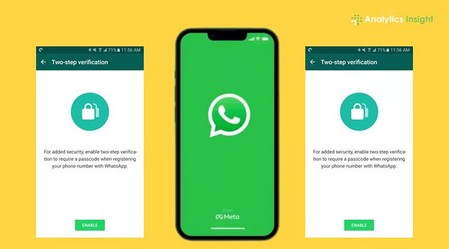
Advanced artificial intelligence tools can generate realistic video copies of real people which creates fresh hurdles for digital defense systems. Because deepfake technology is improving rapidly engineers must design advanced liveness detection tools to spot fake video submissions. Experts remind users that Google account security features are not completely bulletproof against highly sophisticated cyber attacks. Combining facial scans with two factor authentication provides the best defense against unauthorized access.
Read Also: AI Workload Impact: Is It Making Tech Jobs Harder?
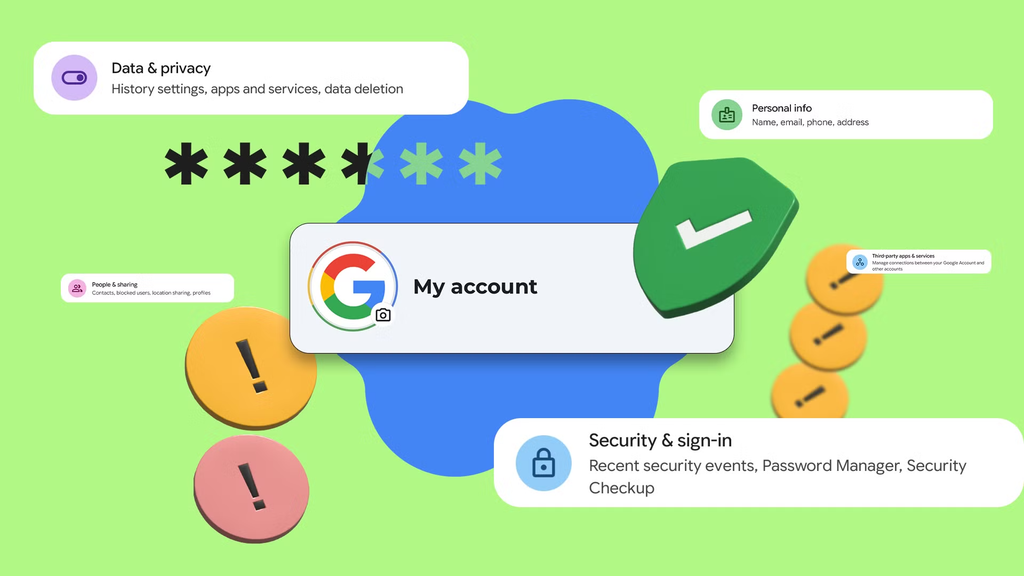
Managing your personal data for better Google account security
Users have the option to review and delete their verification data through standard profile settings pages whenever they want. Taking control of your stored information prevents unwanted data retention by third party servers or corporate databases. Good habits like keeping backup contact details updated add an extra layer of protection to your overall online profile.