


Author: Somali

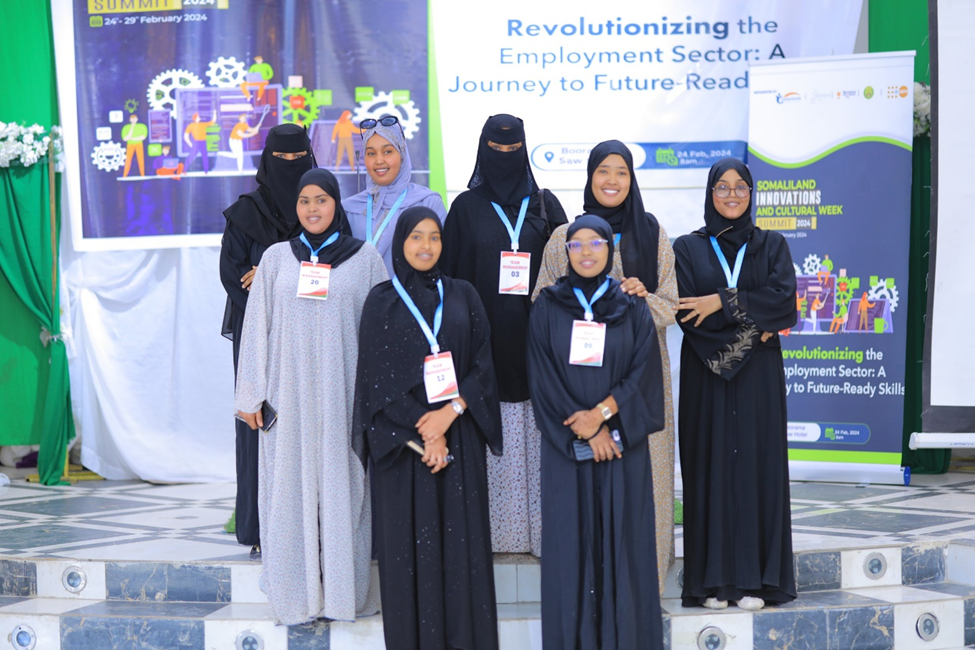
Emphasis should be placed on providing education, skills training, and opportunities for Somali youth to develop their careers. Practical skills-based programs can prepare youth for the needs of the local economy. Entrepreneurship training projects can help young people create their destiny by fostering creativity. Mentoring and professional networking initiatives can broaden young people’s horizons by connecting them with experienced people. Finally, strong partnerships between the government and the private sector can provide young people with long-term employment and development opportunities. Enhancing Educational Opportunities for Somali Youth Education provides the foundation for career development, but only 30% of young people in…

The climate crisis has intensified in Somalia, affecting more than 8 million people each year and up to 1.2 million displaced by floods. 90% of rural households face severe water scarcity, while 70% of agricultural production is destroyed due to unpredictable rains, resulting in food crises and economic losses. 4.3 million people in Somalia are facing a food crisis, with 45% of children under the age of five suffering from severe malnutrition. The impact of climate disasters on the economy is profound, accounting for an annual loss of 4.8% of GDP, and is having a negative impact on economic stability…
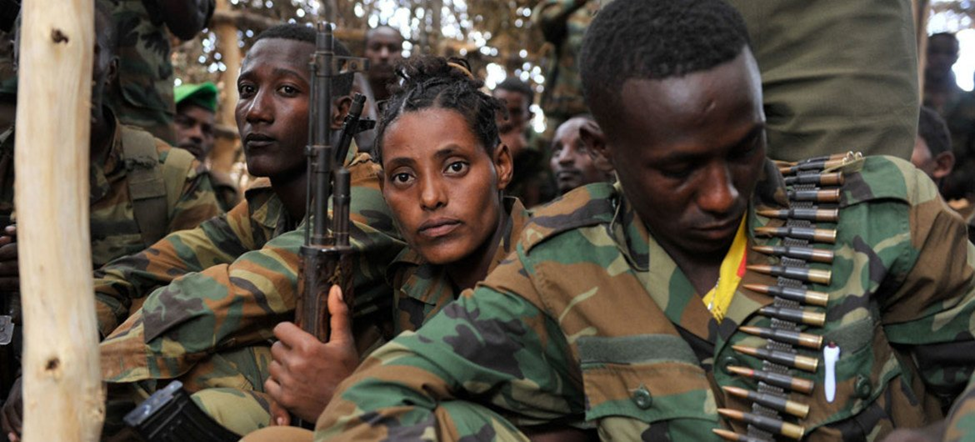
The United Nations has launched a new operation in Somalia aimed at weakening the power of al-Shabaab, which controls about 40 percent of the country’s southern region and earns up to $100 million a year from illegal sources. The mission will involve more than 20,000 troops, including 10,000 local Somali troops and 10,000 African Union troops. Al-Shabaab operations recorded a 30 percent increase in 2024, resulting in over 1,200 deaths. The attacks are aimed at regaining control of key areas, displacing nearly two million people and weakening the group’s hold on key trade routes. Increased Military Presence in Somalia The…
Opposition leaders in Somalia have fiercely resisted the government’s disarmament plan, which aims to disarm more than 1,200 local militia groups. These groups are mostly spread in the southern parts of the country, covering 40% of the total area. The government aims to reduce militia activity by 30 percent by 2026 and seeks to reduce armed violence by 60 percent. However, opposition leaders say the move could affect as many as 5 million people, including 60 percent of the population in rural areas, who rely on local militias for their protection. Impact of the Disarmament Initiative on Somali Militias The…

Education is a key factor in ending child labor, providing children with basic skills and opportunities for a better life. When children have access to quality education, they can focus on education instead of working, which paves the way for future economic stability. Education helps break the cycle of poverty, as it opens new avenues of advancement for children and encourages families to move away from low-income work. In addition, educational programs raise awareness of the harmful effects of child labor, leading to change in parents and communities. Ultimately, investing in education can help eliminate child labor, creating a healthier…
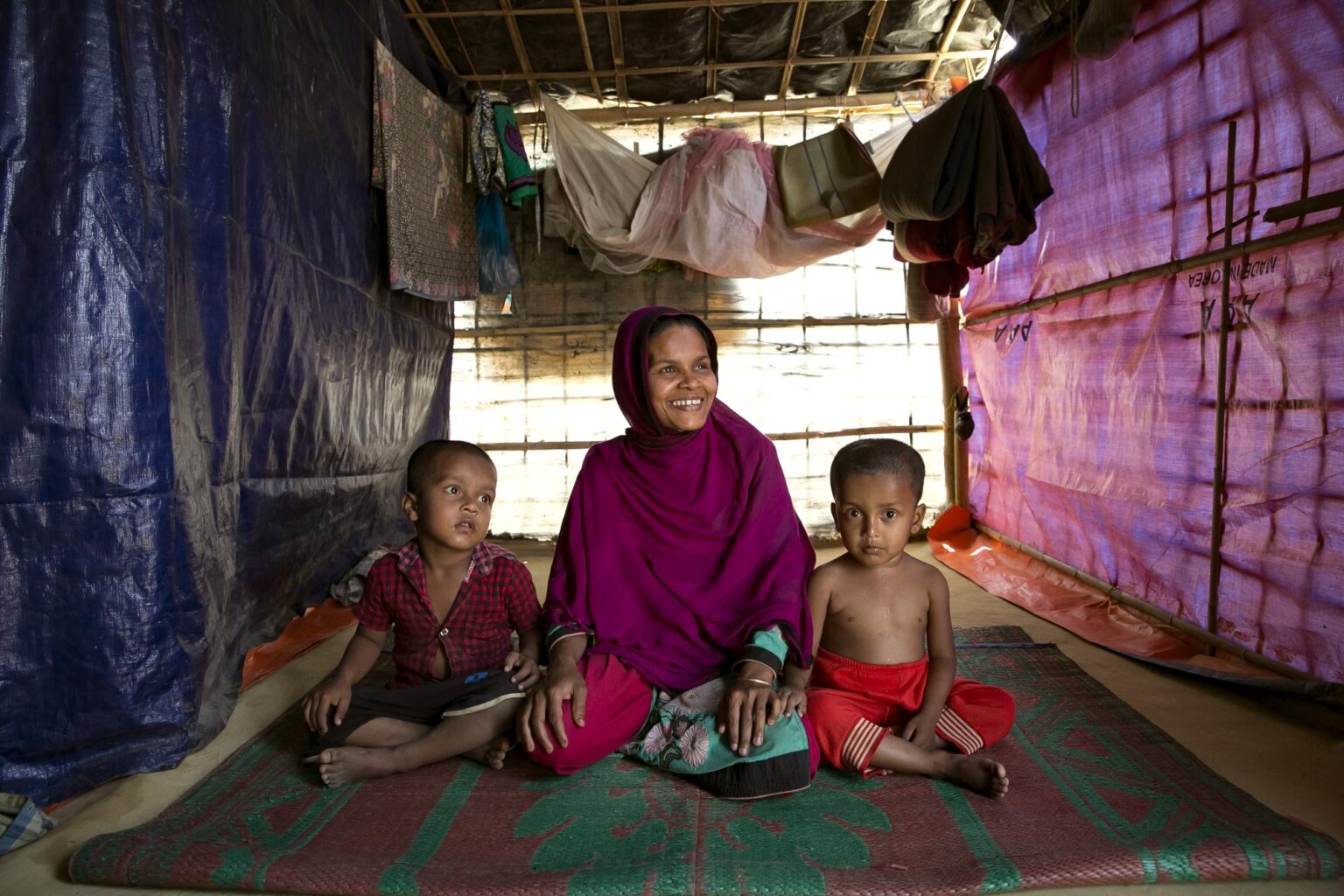
The stigma around mental health problems remains a major barrier in low-income countries, preventing individuals from seeking treatment. Mental illnesses are often seen as a social stigma due to traditional views and lack of information. The result of this misunderstanding is that the affected people are forced to hide their problems. The situation is further complicated by a lack of resources and limited health infrastructure. Raising mental health awareness, providing support at the local level, and improving systems are key steps to address this issue. Cultural Beliefs and Stigmatization of Mental Illness In low-income countries, mental illness is often misunderstood…
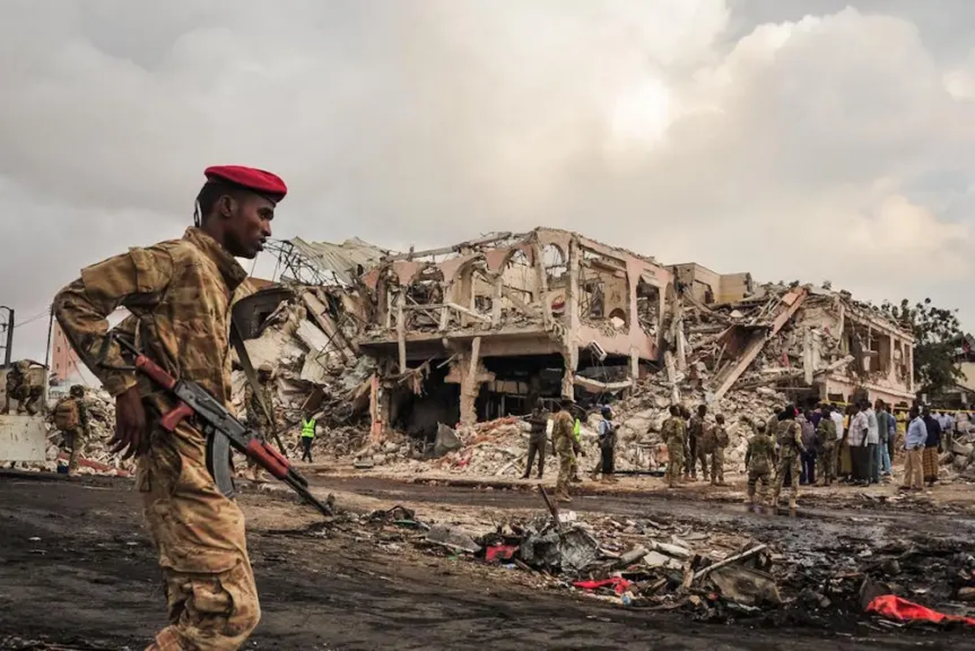
Somalia’s counterterrorism efforts have achieved significant successes, including dismantling militant networks, reclaiming key areas, and strengthening regional security partnerships. Despite these achievements, challenges remain, such as limited resources, political instability, and the resurgence of extremist groups. Efforts are underway to enhance intelligence sharing and improve governance. Balancing military strategies with community engagement is critical to sustainable development. Key Achievements in Counterterrorism Operations Somalia has made great strides in weakening terrorist networks through successful military strategies and effective intelligence planning. As a result of these operations, the areas that were previously under the control of the extremists have come back under…
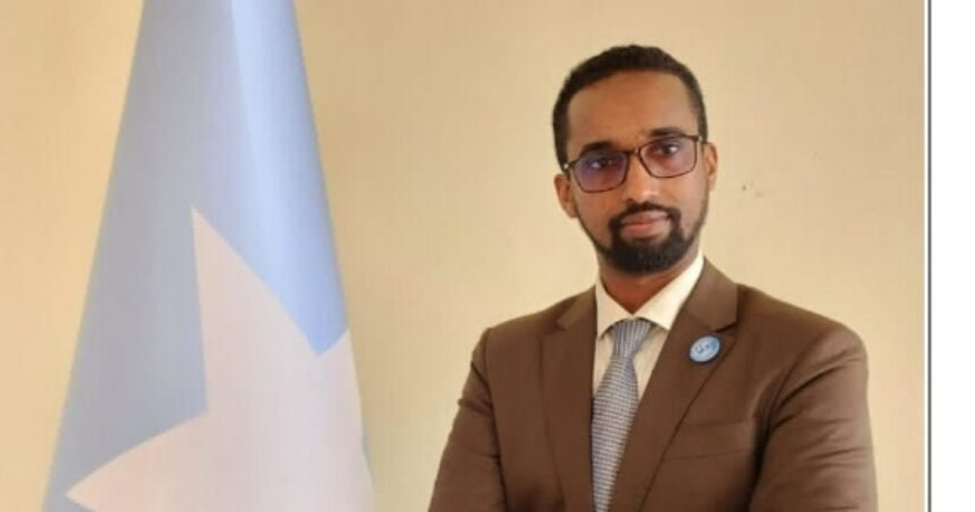
Dr. Mohamed Osman, Somalia’s national economic adviser, has been ranked among the country’s most effective leaders for the second consecutive year. This honor recognizes his important role in economic policies and reforms. He has guided the government towards financial stability and provided key advice in economic development strategies. His hard work and leadership skills have played a significant role in stabilizing the country’s economic position, the impact of which is evident in the country’s financial structure. Dr. Mohamed Osman’s Role in Shaping Somalia’s Economic Policy Dr. Muhammad Osman has played a central role in formulating Somalia’s economic policies, particularly towards…
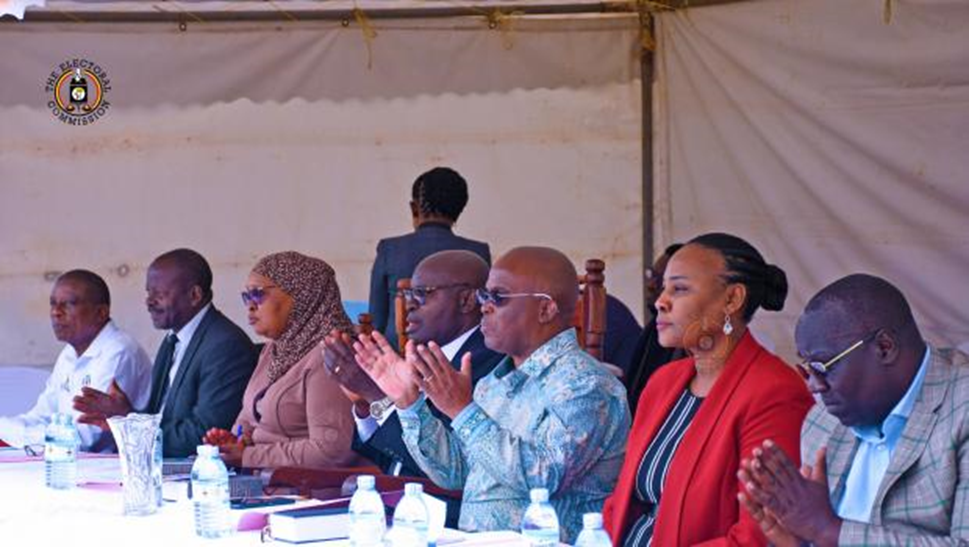
The National Election Commission has released details related to the elections, including voter registration, candidate nominations, and important polling dates. are the announcement also included the procedure for registration of political parties, with emphasis on ensuring transparency and adherence to the rules. This step has been taken to streamline the election process and provide sufficient time for all parties to prepare. This development can help in strengthening the country’s democratic system. Election Timeline and Key Dates The Commission has released a comprehensive schedule, which includes voter registration, candidate application deadlines, and election day details. The objective of this timeline is…
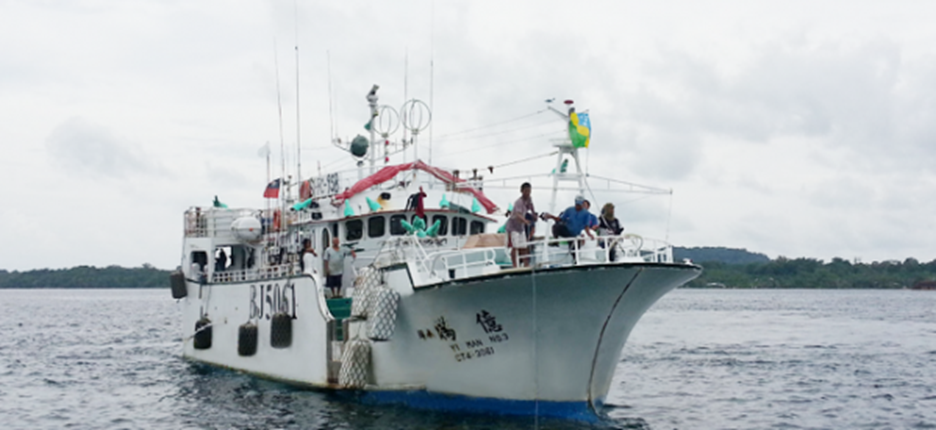
Somalia has established a competent fisheries authority to ensure quality and safety in the fishing industry. The main objective of this initiative is to bring local fishing practices in line with global standards and promote marine product exports. The authorities will also work on improving the inspection process as well as the conservation of aquatic resources and promotion of sustainable fisheries. The establishment of the authority will ensure innovation and growth in the industry and improve the welfare of the local fishermen. This initiative will improve the economic condition of fishermen and be an important milestone in strengthening Somalia’s economy…