
Cholera outbreak spreading across West and Central Africa is putting millions of young children in extreme danger every single day. The United Nations Children Fund which is commonly known as UNICEF recently released a serious global warning about this growing health crisis. According to official reports the waterborne disease is moving fast across national borders and affecting six different countries in the region.
Read Also: Animal origin diseases: Why the global concern?
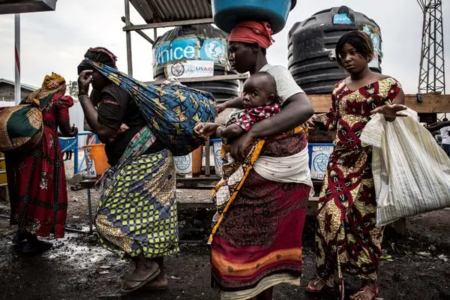
These countries include the Democratic Republic of Congo the Republic of Congo Nigeria Chad Cameroon and the Central African Republic. Heavy seasonal rains and massive flooding have destroyed clean water systems and polluted local rivers that families rely on for drinking and cooking. At the same time war and conflict have forced thousands of families to leave their homes and move into crowded camps where sanitation facilities are broken or missing. The cholera outbreak spreading so quickly has forced humanitarian organizations to ask for fifteen million dollars in emergency funding to protect vulnerable communities over the next six months.
Cholera outbreak spreading through flooded communities and dirty water
When floodwaters rise they wash human waste and dirt directly into public wells and open rivers where people collect drinking water. This severe cholera outbreak spreading rapidly across rivers and trade routes makes it almost impossible for poor families to stay healthy. In many rural districts clean tap water does not exist so parents have no choice but to give polluted river water to their little ones.
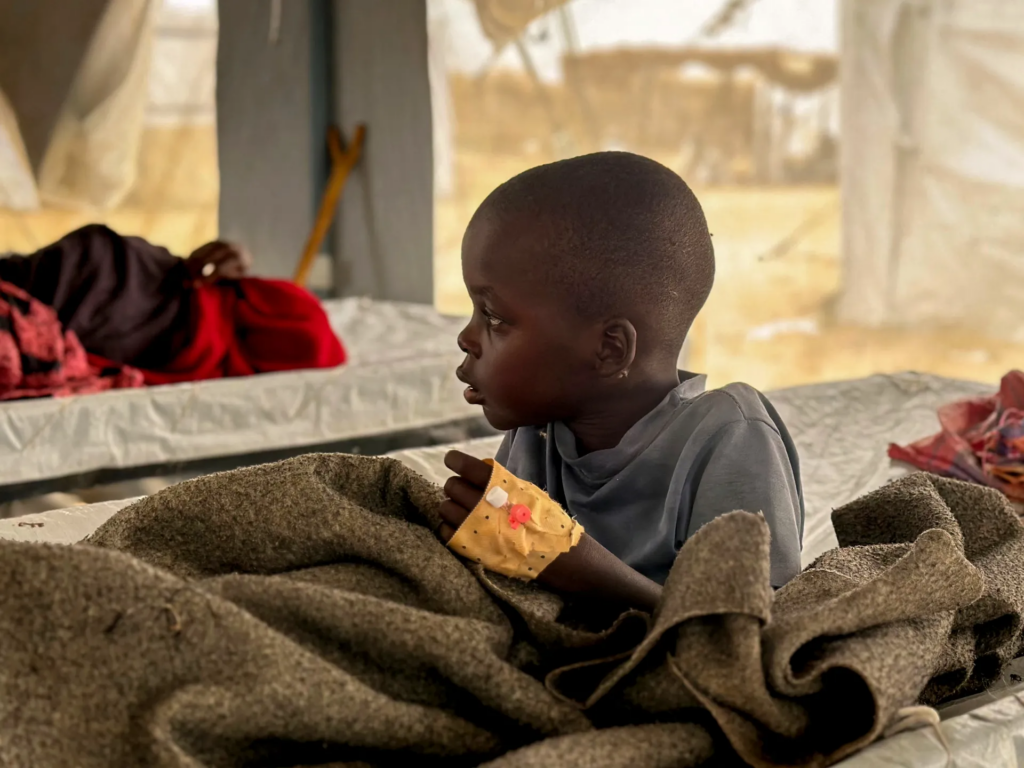
Once a child drinks dirty water contaminated with the bacteria they can become severely dehydrated within just a few hours. High fever vomiting and intense diarrhea cause young bodies to lose critical fluids very quickly. Without quick medical treatment and simple rehydration salts a sick child can die on the very same day they fall ill.
Read Also: Why is ebola burial risk causing major public safety issues
Vulnerable children bearing the heavy burden of infection
The situation is especially heartbreaking because young children represent the vast majority of sick patients in almost every affected country. In the Central African Republic official data shows that children under ten years old make up forty four percent of all reported sickness cases. In neighboring Chad nearly two thirds of all infected people are young kids under fifteen years of age. Over in Cameroon health workers report that the average age of a cholera patient is only ten years old. Young immune systems are much weaker than adult immune systems which means young children suffer far more severe complications when infected.
Cholera outbreak spreading: Rising death tolls and severe struggles in Nigeria and Congo
Nigeria is currently experiencing the largest individual wave of infections in the entire region. Since the start of this year health authorities in Nigeria have recorded more than fifty thousand sickness cases and at least three hundred and thirty eight deaths across various states. The northeastern state of Borno has been hit extremely hard because ongoing security issues make it very hard for medical teams to reach remote villages. Families living in temporary displacement camps face terrible living conditions without clean toilets or soap to wash their hands properly.
Meanwhile the Democratic Republic of Congo has recorded the highest death toll among all affected African nations. Reports confirm more than thirty thousand four hundred infection cases and nearly seven hundred deaths in that country alone. Hospital workers in eastern provinces are completely overwhelmed by the constant stream of sick patients arriving at local health clinics. Many small medical centers lack basic supplies like clean intravenous fluids clean blankets and oral rehydration packets needed to save lives.
Emergency funding and international response to deliver clean water
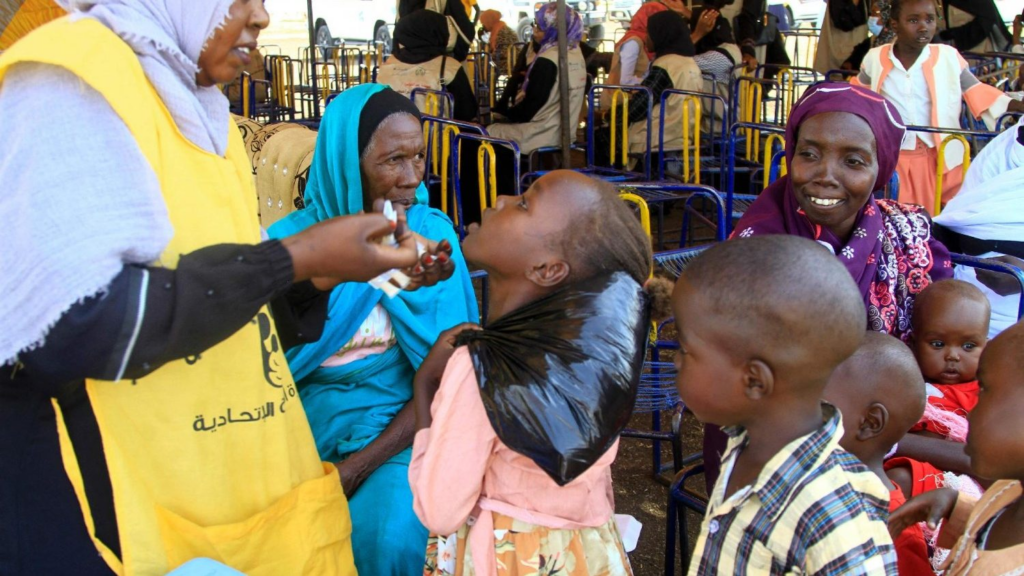
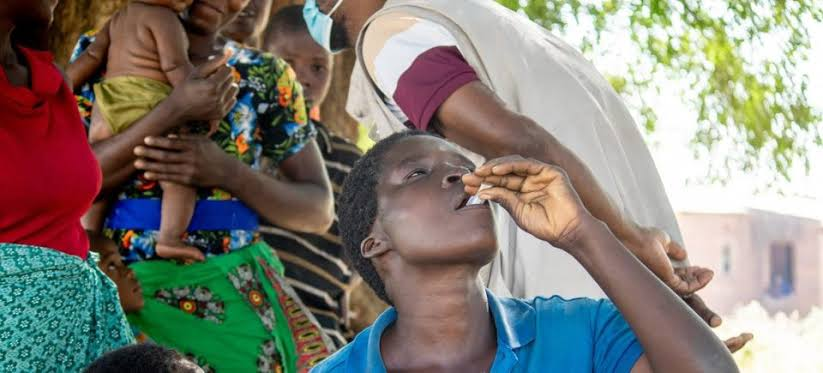
To stop the cholera outbreak spreading further UNICEF is asking international donors for urgent financial support. The requested fifteen million dollars will be used to truck clean drinking water directly into flood zones and refugee camps. Aid groups also plan to distribute millions of water purification tablets soap bars and clean water buckets to poor households. Building temporary latrines and repairing broken water pipes in crowded towns will also help reduce the contamination of local soil and water sources.
Regional director Gilles Fagninou explained that this health crisis does not stop at official country borders anymore. The disease travels easily along shared riverways commercial trade roads and busy border crossings as people search for safety and work. He pointed out that every single new case is a sad reminder that millions of innocent children are still denied their basic human right to clean safe drinking water. Experts note that the cholera outbreak spreading in Nigeria has caused tremendous pressure on regional health networks.
With the cholera outbreak spreading into nearby countries international aid agencies must act without any further delay. Providing clean water and proper sanitation is the only effective way to protect young children from this deadly yet preventable illness. Local aid teams report that the cholera outbreak spreading makes it difficult to deliver medical supplies to remote areas cut off by floodwaters. If nothing is done to control the cholera outbreak spreading many more young lives will be lost across the region.
Read Also: What is fast cavity treatment and how does it help kids?
Urgent solutions needed to save young lives in vulnerable regions
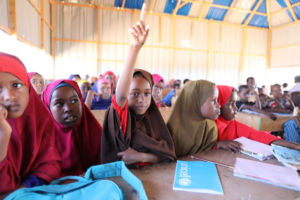
Preventing future waterborne health crises requires long term investment in public infrastructure and basic healthcare services across Central and West Africa. Governments must work together with international partners to build strong water supply networks that can survive heavy seasonal storms and climate shocks. Teaching proper handwashing habits in primary schools and community centers also helps protect children from dangerous germs. When local communities have access to clean wells safe toilets and basic hygiene education families can thrive without living in constant fear of deadly diseases.