



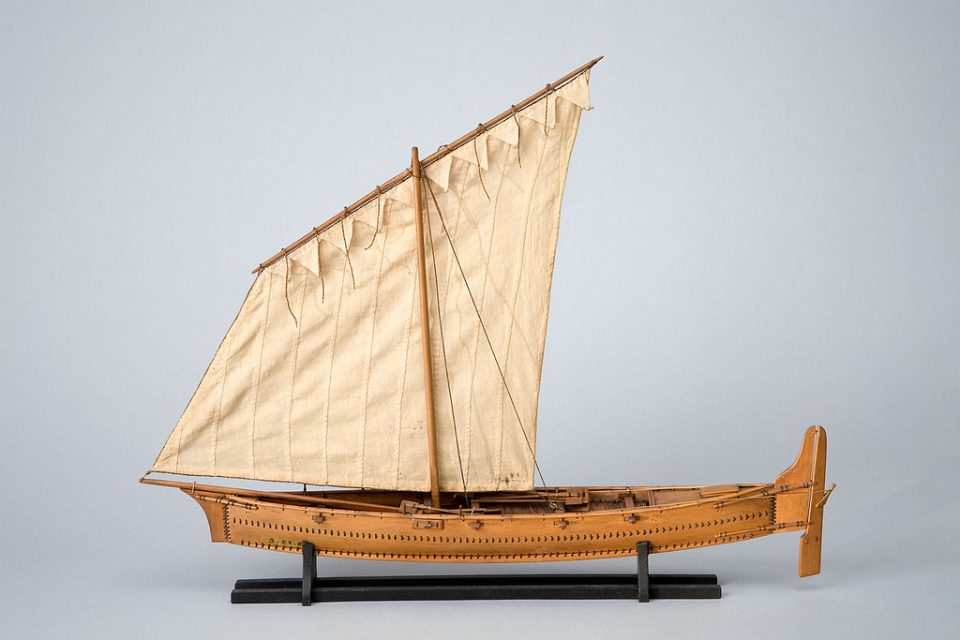
Ancient Somali Trade is something that many people today might not realize was so huge back in the day. The coast of Somalia has been a meeting point for different cultures for thousands of years because of its perfect spot on the map. When we look at history books we see that Ancient Somali Trade connected the people of the Mediterranean with the people of India and China long before the modern world even existed. It is a story of sailors who knew the winds and merchants who sold things that kings and queens across the ocean wanted more than gold.
Read Also: Tribal Social Life: The Hidden Power Shaping Our World
The Secrets of Ancient Somali Trade and Local Wealth
The main reason why Ancient Somali Trade became so famous was because of the natural resources found in the land. Somalia was known as the Land of Punt by the ancient Egyptians who would send huge ships just to get their hands on incense and myrrh. These things were used in religious ceremonies and for making perfumes in big empires. This constant flow of goods meant that Ancient Somali Trade helped build wealthy city-states along the coast like Zeila and Mogadishu. These cities were not just small villages but were busy places with stone houses and markets where you could hear ten different languages being spoken at once.
- Frankincense and Myrrh: These were like the oil of the ancient world and everyone wanted them.
- Exotic Animals: Romans and Greeks bought giraffes and lions through the Somali ports.
- Gold and Ivory: These luxury items came from the interior of Africa and were sent out to the rest of the world.
How Geography Helped Ancient Somali Trade Grow
You cannot talk about this topic without mentioning the Indian Ocean and the monsoon winds. The sailors back then were experts at timing their trips so that the wind would push them toward India at one time of the year and bring them back at another. Because of this Somali Trade was very reliable and fast for its time. It was not just about selling stuff but also about sharing ideas like religion and math and different ways of building things. When you walk through the ruins of old coastal towns today you can see the influence of Persian and Arab architecture which all came through the routes of Somali Trade over many centuries.
Read Also: What are the Somali wedding customs?
A Network That Reached the Far East
It is also amazing to think about how far the reach of Somali Trade actually went. Historians have found old Chinese coins and pottery buried in the ground in Somalia which proves that people were trading with the Ming Dynasty. This shows that the Somali coast was a vital link in the Silk Road of the sea. Merchants would take local goods and exchange them for silk and spices that were worth a fortune. This global connection made Somali Trade a powerhouse that influenced the economy of the entire Indian Ocean region for a very long time.
History shows us that being in the right place at the right time is everything and for the Somali people their coastline was their greatest treasure.
Why We Should Remember Ancient Somali Trade Today
Sometimes history gets forgotten because of modern problems but the legacy of Ancient Trade is still there in the culture and the food. The way people in Somalia use spices today is a direct result of these ancient connections with India and the East. If we look back at how successful these trade routes were it gives us a better understanding of how the country was once a leader in global commerce. Ancient Somali Trade was not just about making money but about building a bridge between different parts of the human race.
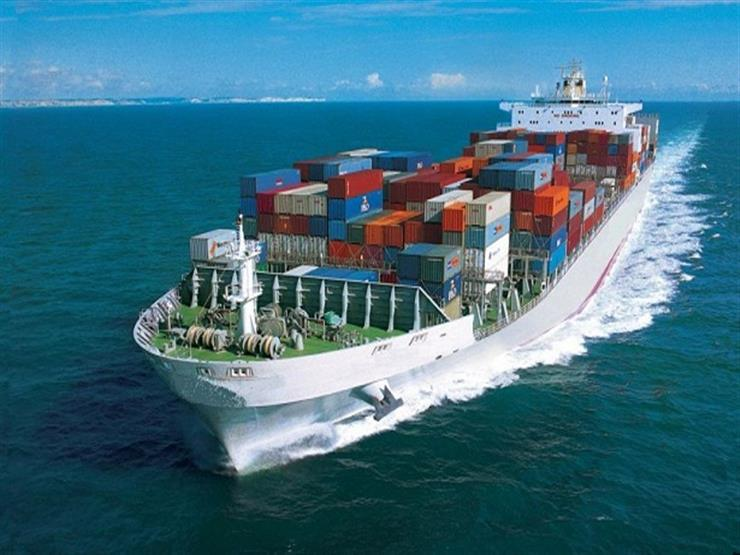
In conclusion the history of the region is much deeper than what we see on the news today. The ports were the heart of a system that kept the world moving and the story of Somali Trade is a reminder of a time when the Horn of Africa was the center of the world’s attention. Even though times have changed the spirit of being a merchant is still a big part of the Somali identity.
Read Also: Somali modern style reshapes urban youth fashion
By looking at Ancient Somali Trade we see a proud past that was built on hard work and sailing across unknown seas to meet new people. It was a time of discovery and great wealth that shaped the world as we know it now. Success in Ancient Somali Trade shows what is possible when a country uses its natural location to its advantage.